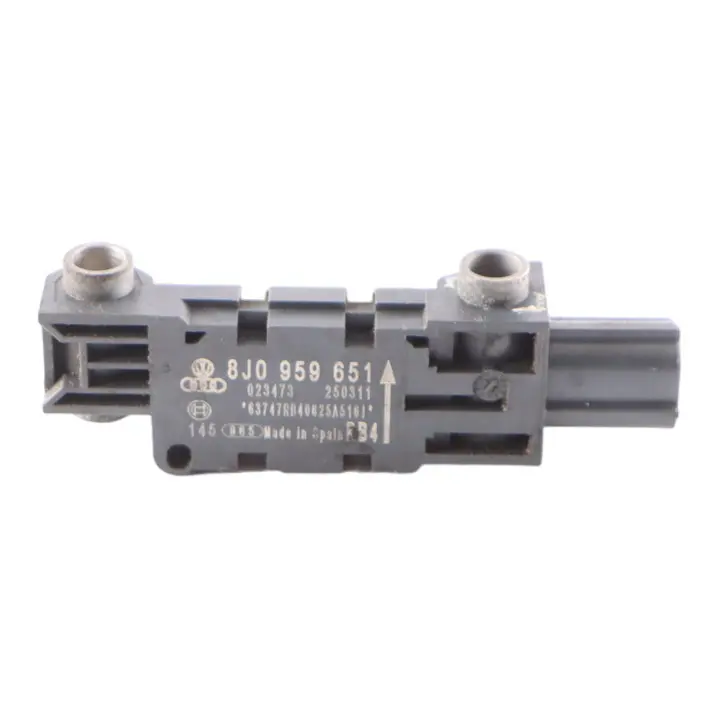
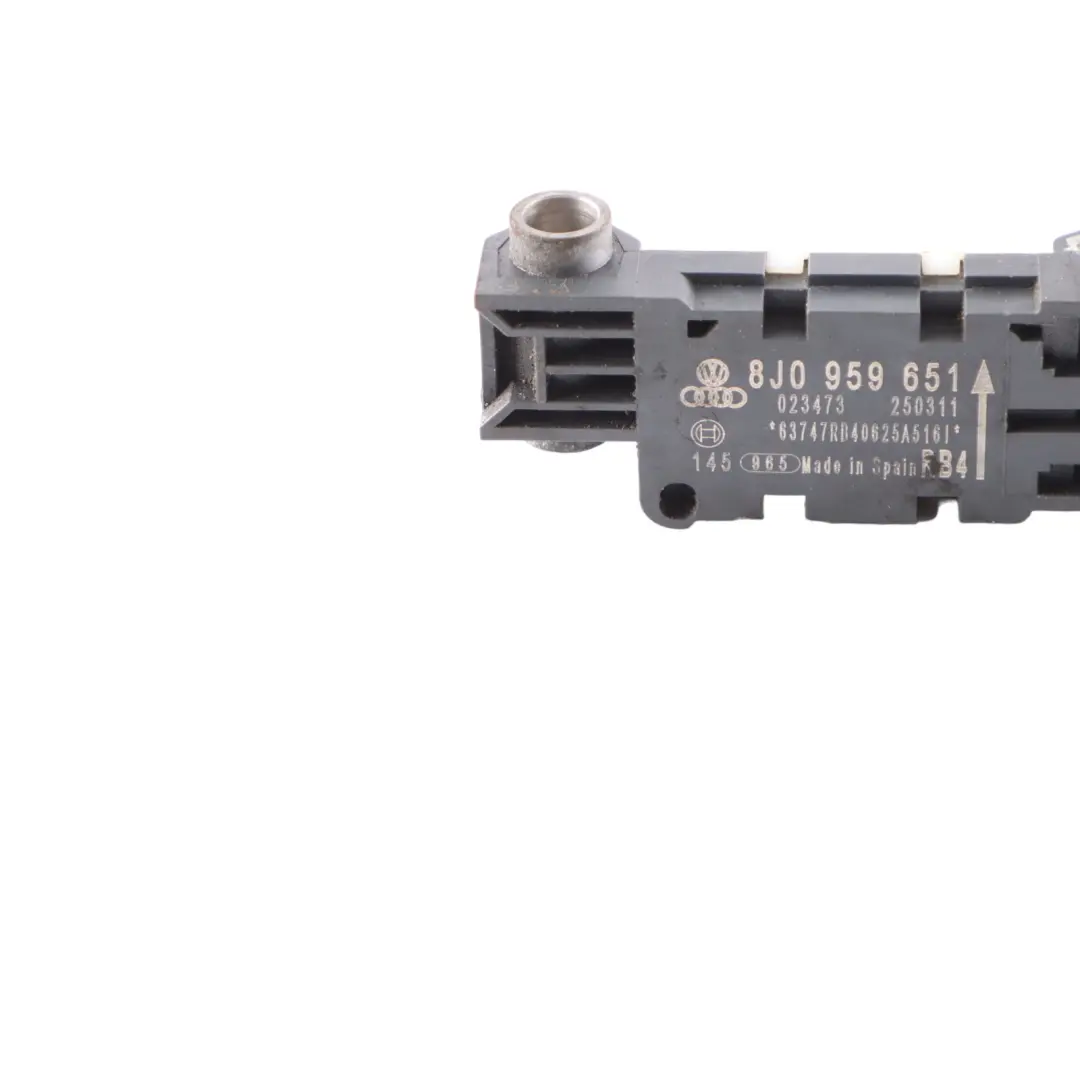
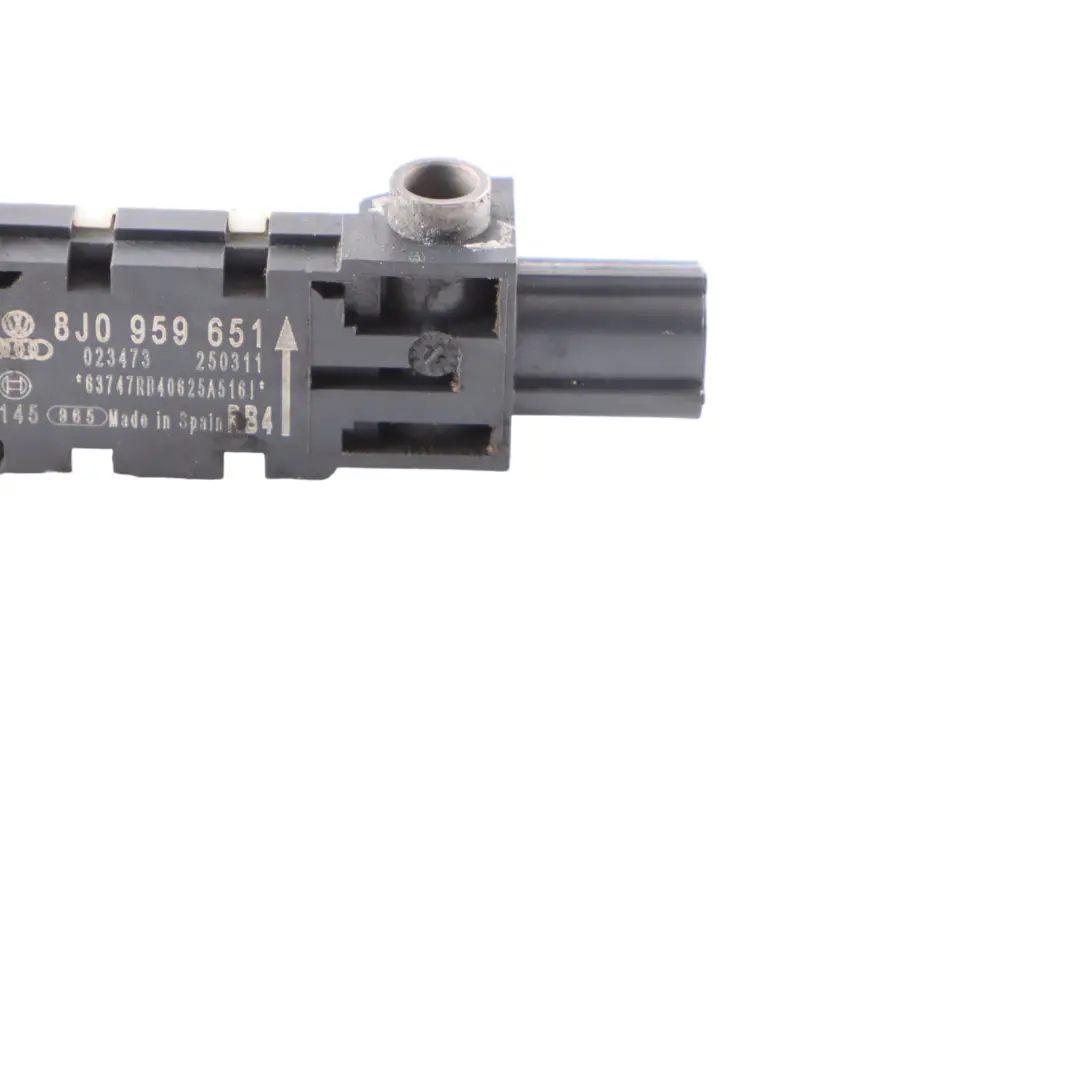
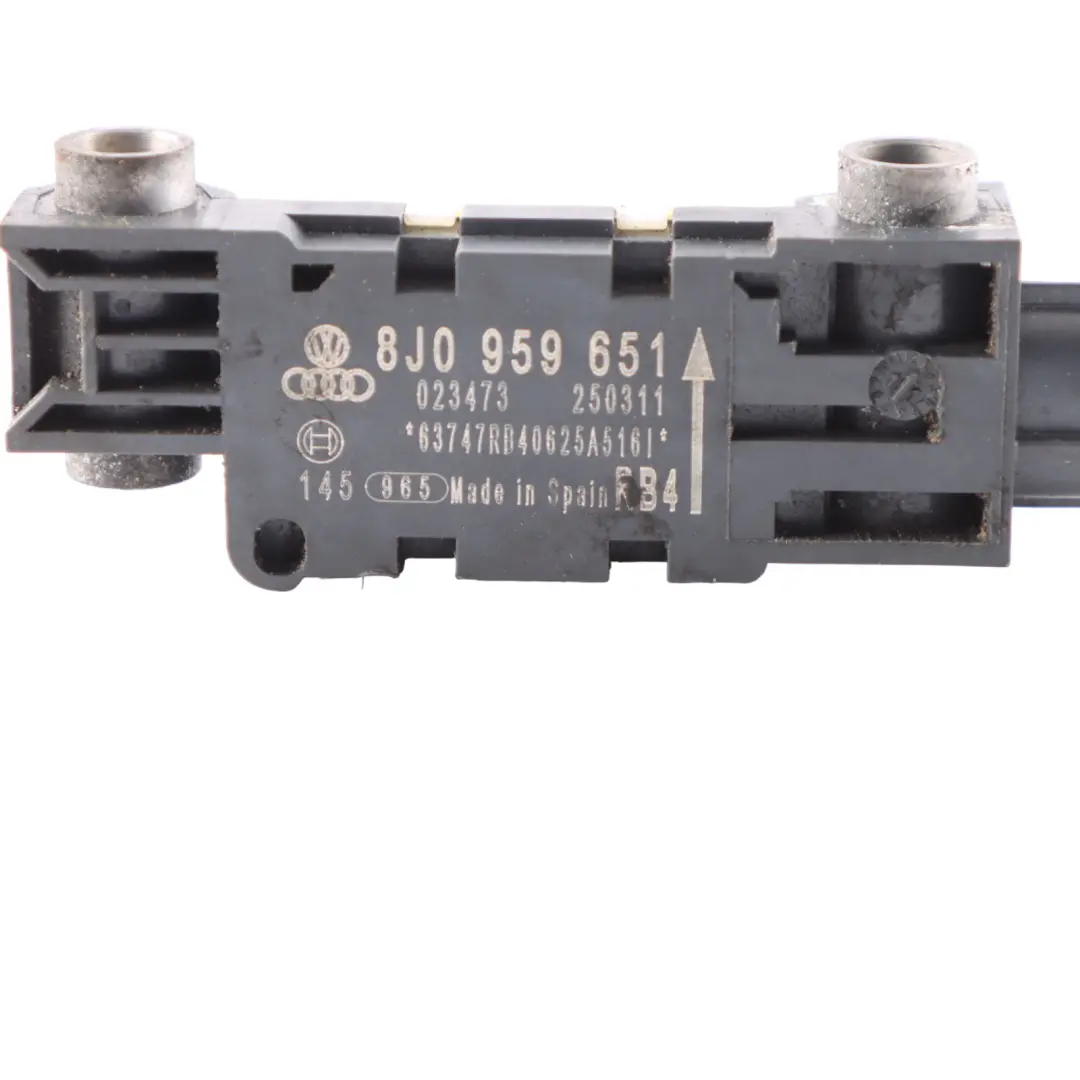
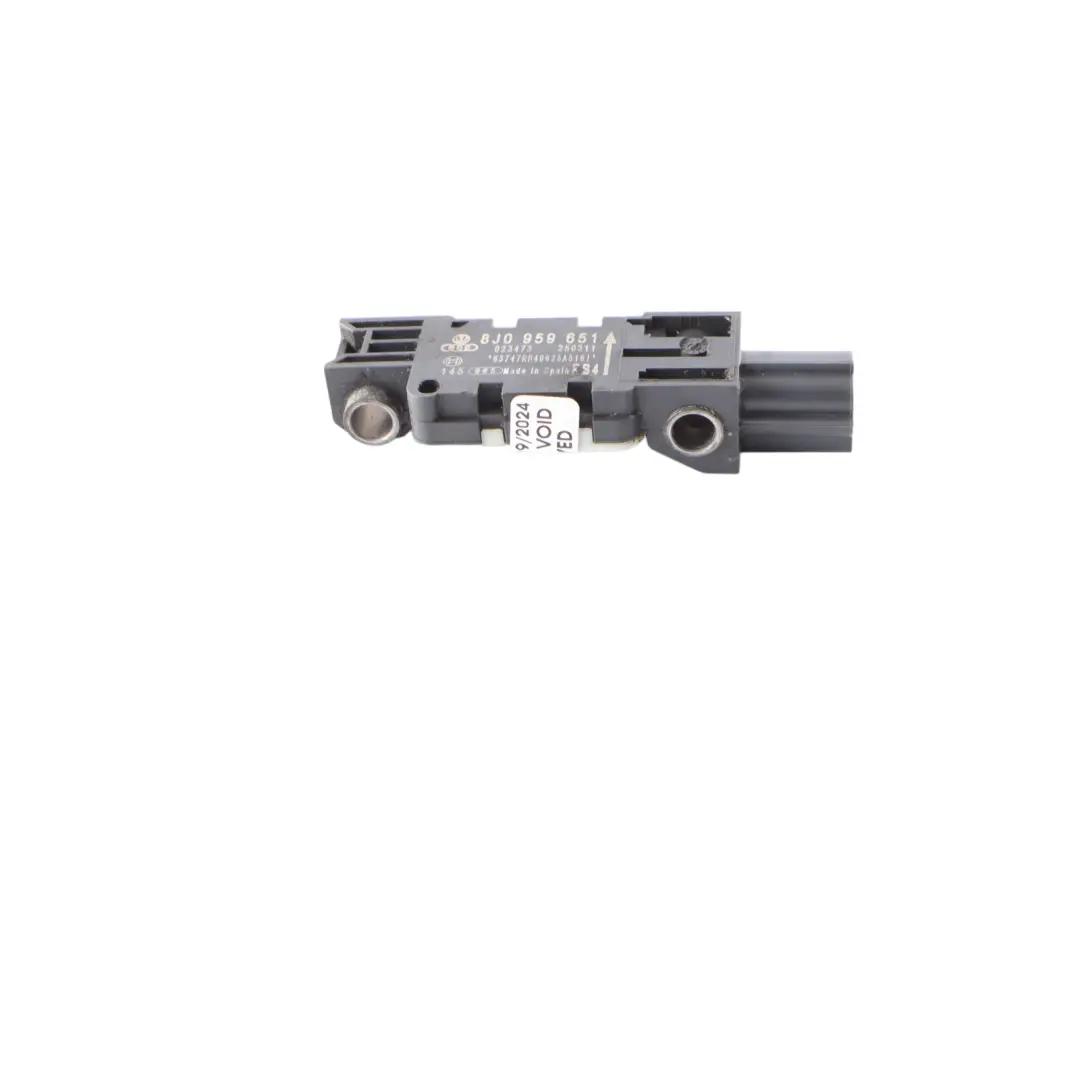
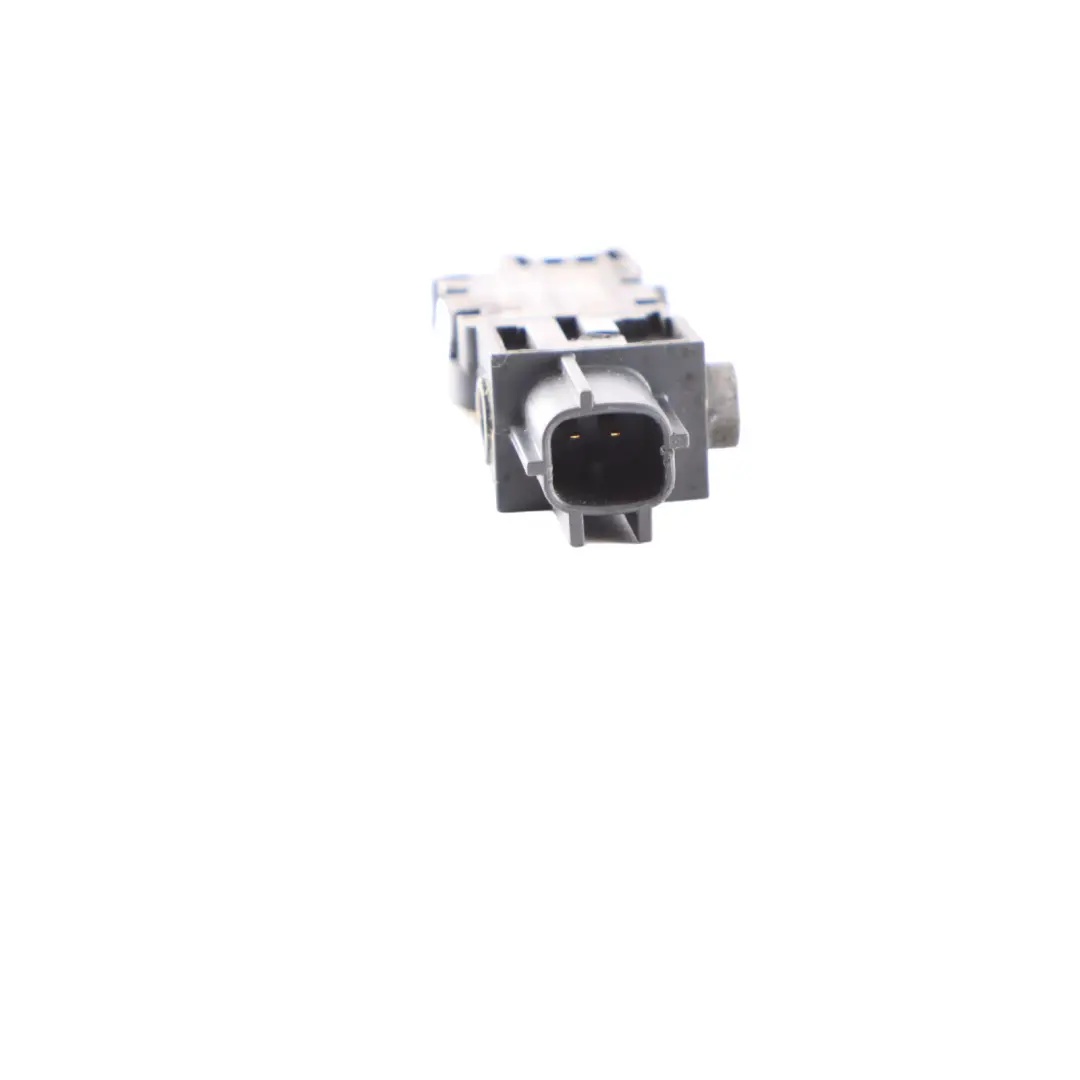
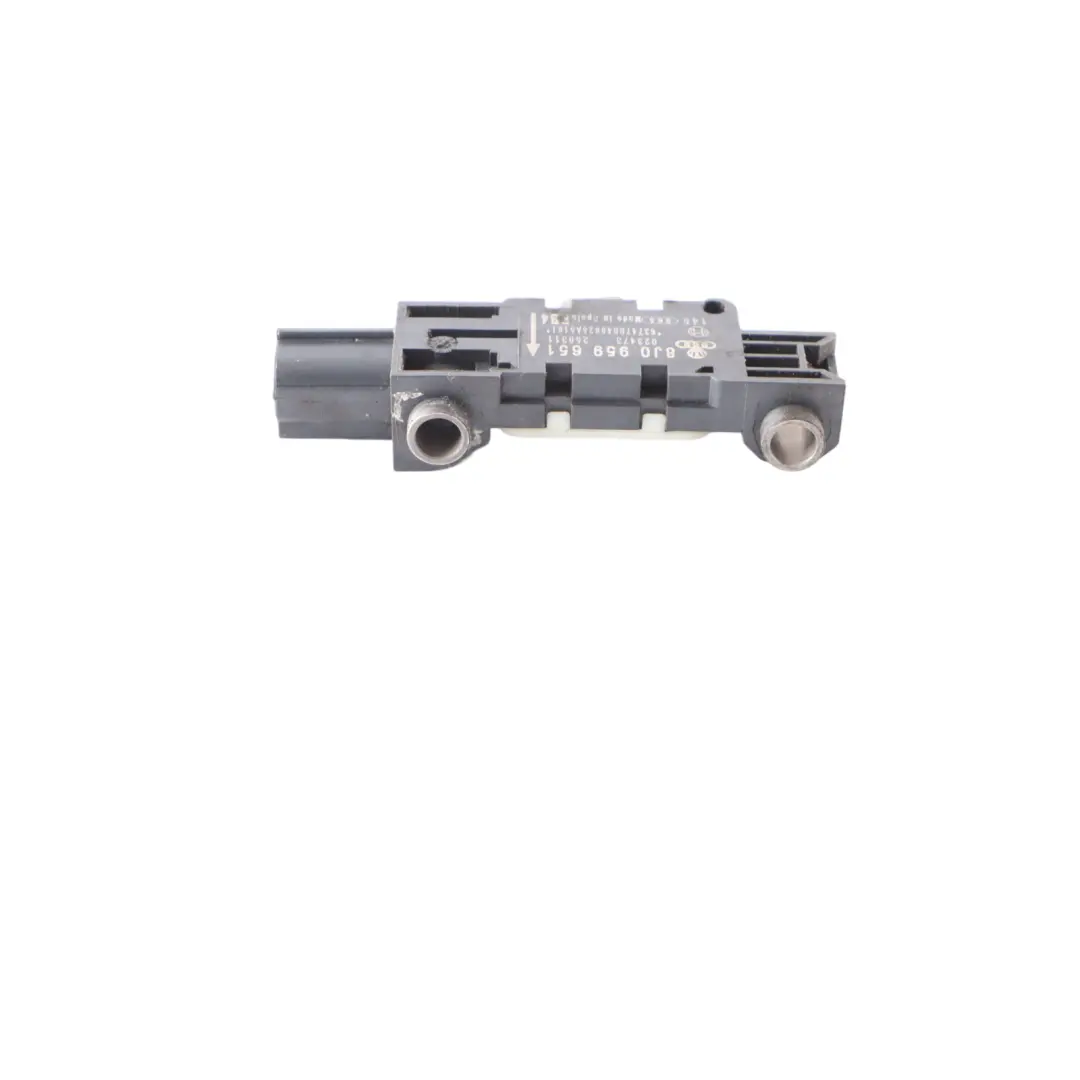
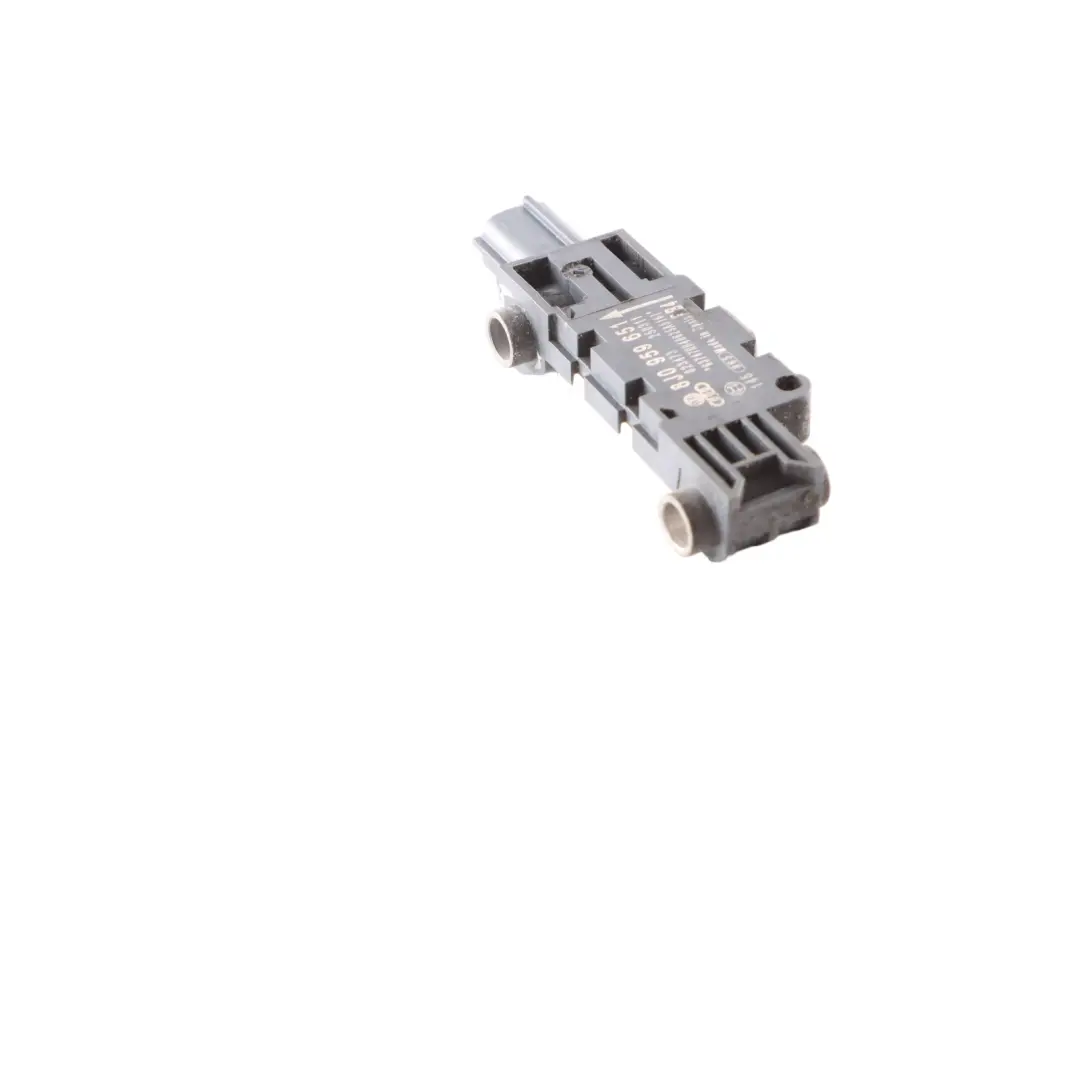
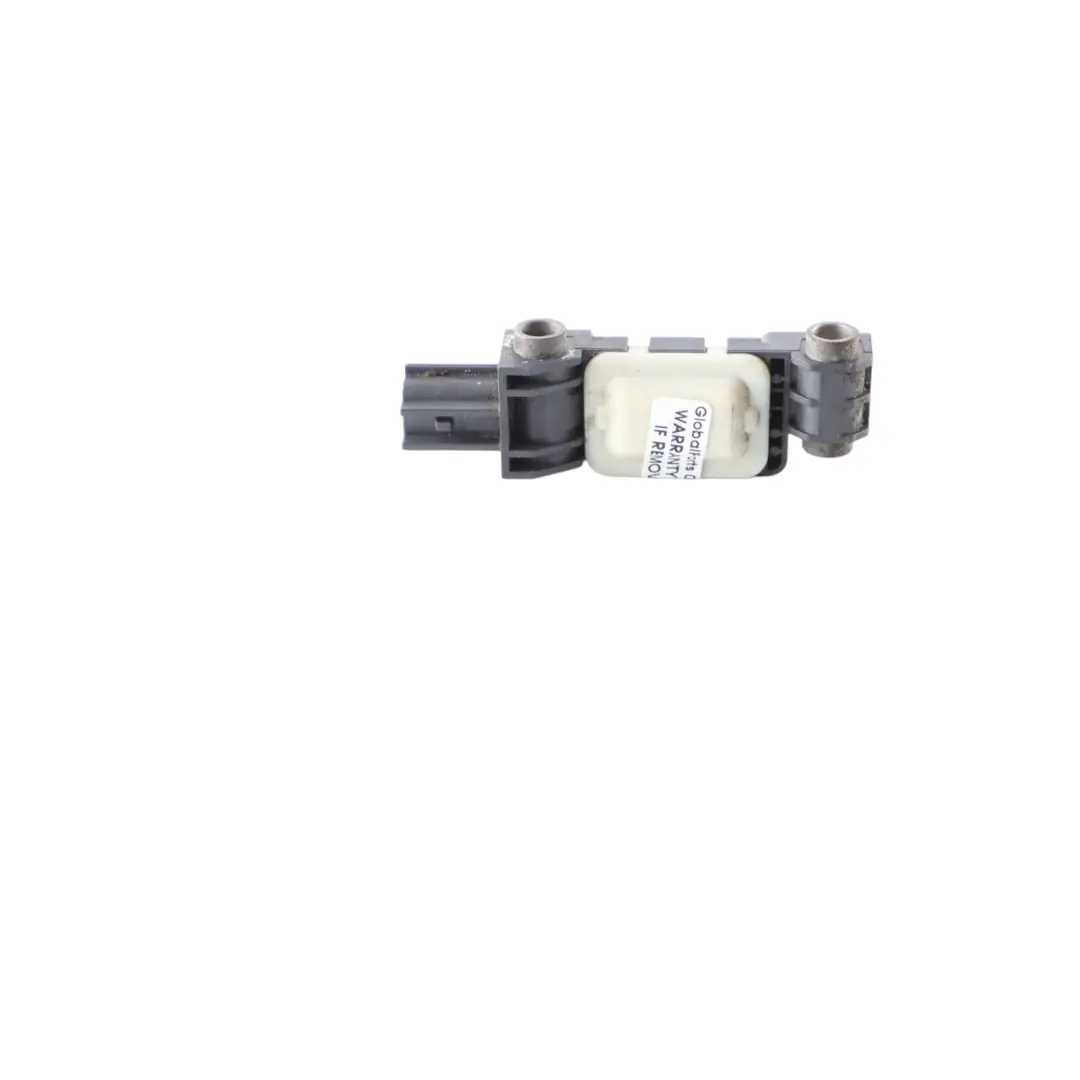
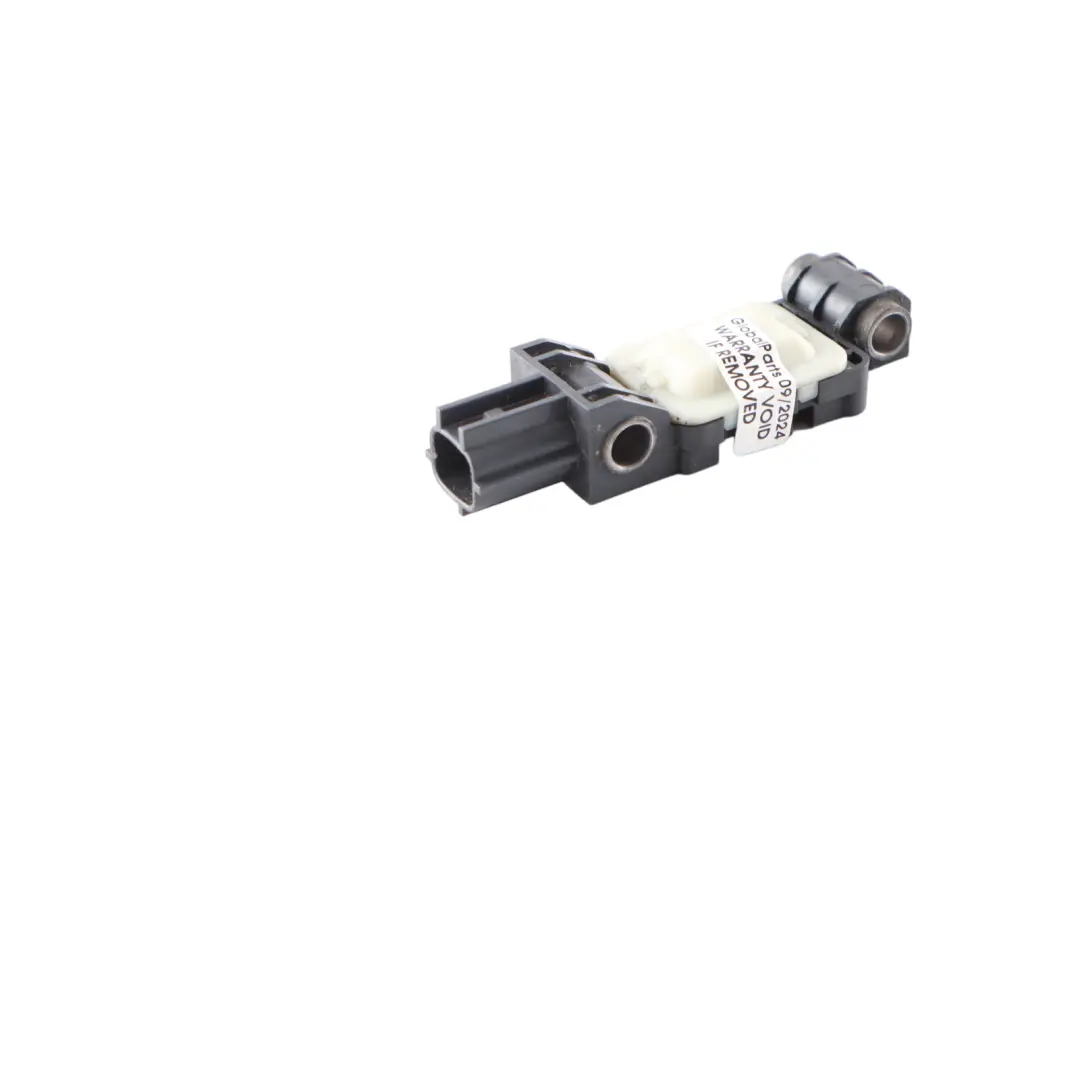
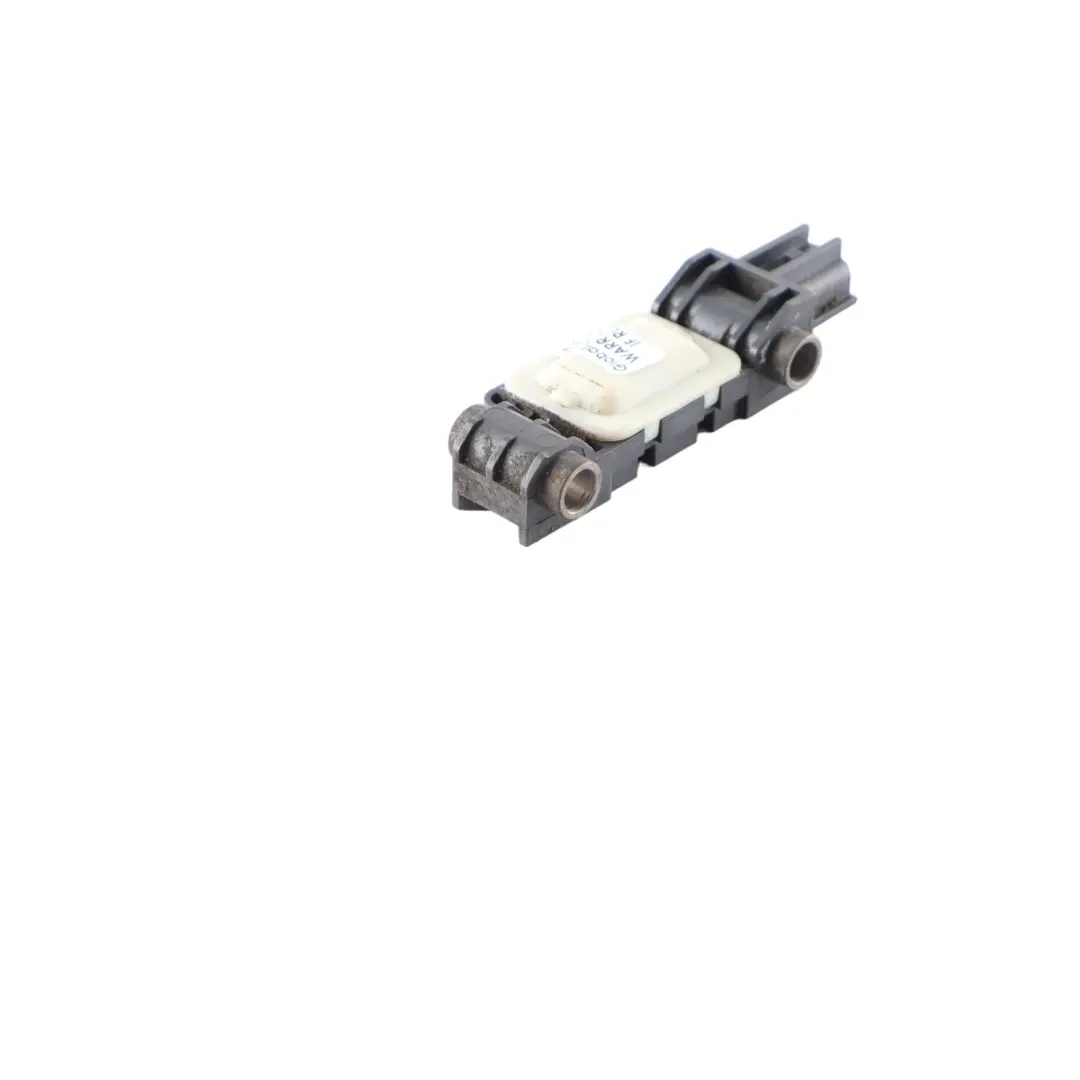
The Audi A3 8P Impact Sensor is a component from the Electronic Control Units and Controllers category, responsible for precisely detecting overloads during a collision. An original Audi component ensures consistent operation with the vehicle's factory safety system, maintaining the correct operating parameters for airbag control units. This is a practical solution for users who want to restore proper system functionality after accident repairs.
Specifications and technical data
- SKU: 8J0959651
- Mark: Audi
- Condition: Used
- OEM Part Number: 8J0959651
- Substitutable numbers: 8J0959651, 8J0 959 651
- Rim width: 8
- Category: ECUs & Computer Modules
Technical characteristics of the Audi A3 8P impact sensor
The Audi A3 8P Impact Sensor works with the body electronics, transmitting information about accelerations and sudden speed changes to the control unit. As a component of the passive safety system, it is synchronized with the control unit's operating logic, allowing for the correct response of the airbag and seatbelt pretensioner system in a collision situation. The sensor's design is adapted to Audi's electrical architecture, which reduces the risk of communication errors and incorrect readings.
Integration with electronic control units
The sensor belongs to a group of components that form an extensive network of control units in the vehicle. Thanks to this:
- it ensures compatibility with factory safety system control algorithms,
- it maintains correct communication with other modules within the electrical system,
- it reduces the risk of errors in the airbag control unit's memory,
- it facilitates computer diagnostics using standard service tools.
Its placement and mounting method are designed for the specific vehicle platform, promoting stable operation and accurate overload readings.
Benefits of using an original Audi module
Using an original component from the Electronic Control Units and Controllers group allows for the consistency of the entire safety system. The main advantages include:
- maintaining the factory operating characteristics of the airbag system,
- better compatibility with the existing wiring harness and connectors,
- a lower risk of malfunction compared to aftermarket parts of unknown origin,
- the possibility of correct coding and adaptation within standard service procedures.
The product comes from the Audi component group, which helps maintain a uniform quality standard within the vehicle's entire electronic system.
Condition, application, and part selection
The offered sensor is a used part, allowing for an economical restoration of the safety system's functionality while maintaining the manufacturer's original specifications. It is particularly useful in situations where a damaged sensor needs replacement after a collision or after diagnostic errors are detected. When selecting a part, pay attention to compatibility with the vehicle platform and the type of control unit used to avoid communication problems within the car's electronic network.
Related Audi Electronic Control Units and Expert Knowledge
If you are looking for other Audi Electronic Control Units and Controllers compatible with your model, check out the offer in the Audi Electronic Control Units and Controllers category, where you will find a wide selection of components that work with the vehicle's electrical system.
To better understand how original electronic components affect the car's driving characteristics and behavior, it is worth reading the article Audi and pure emotion – how used parts help maintain the brand's DNA, which discusses the importance of factory components in maintaining the consistency of onboard systems.