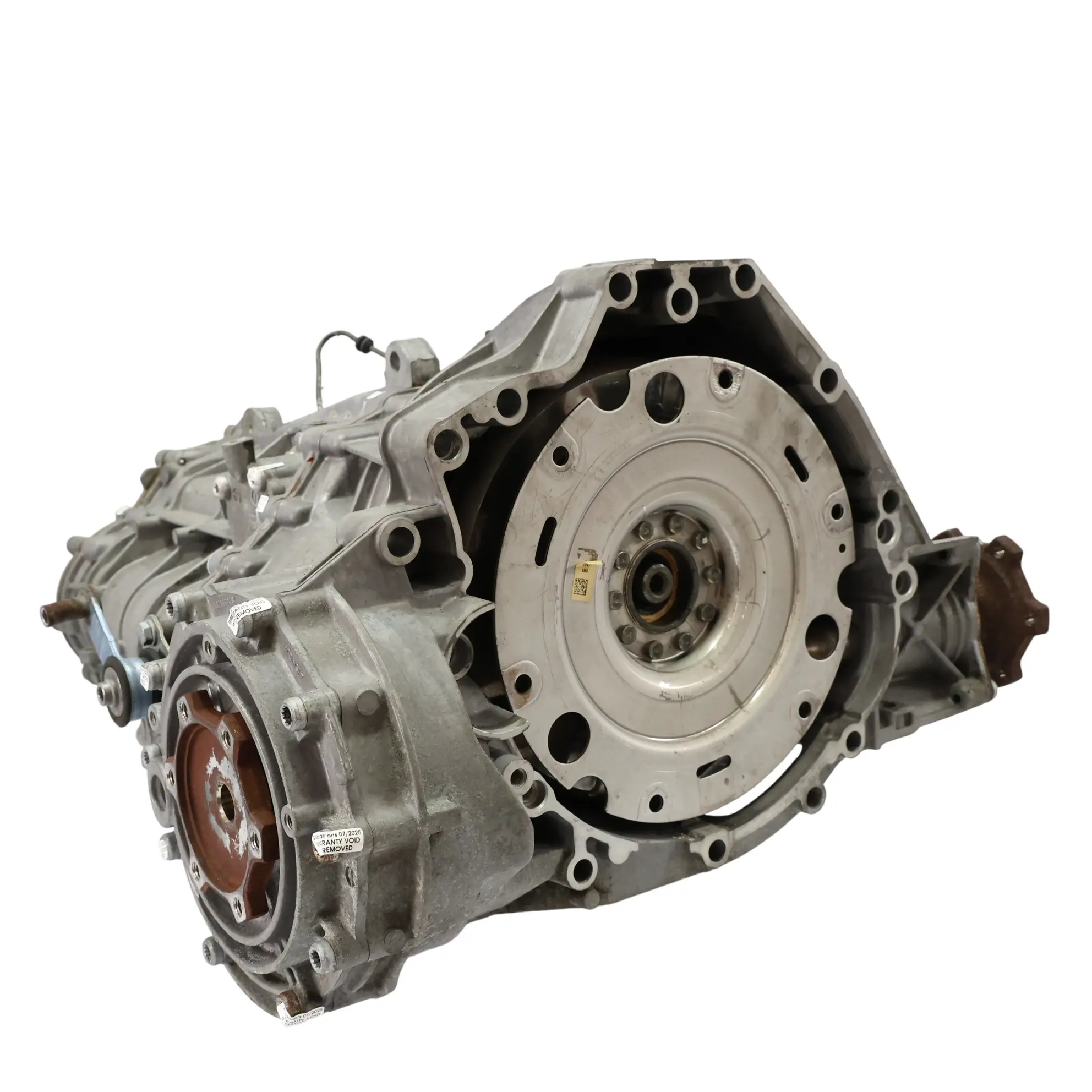
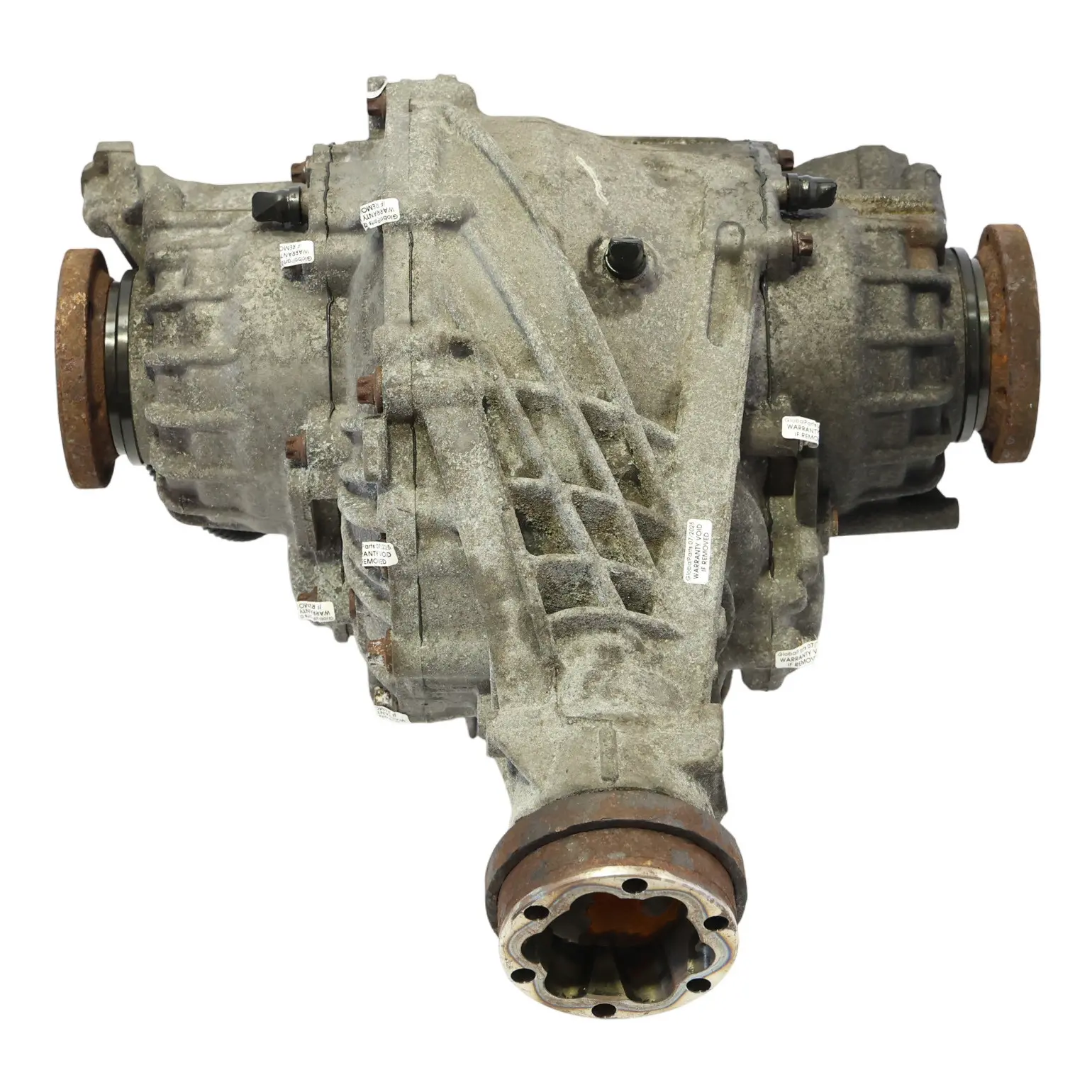
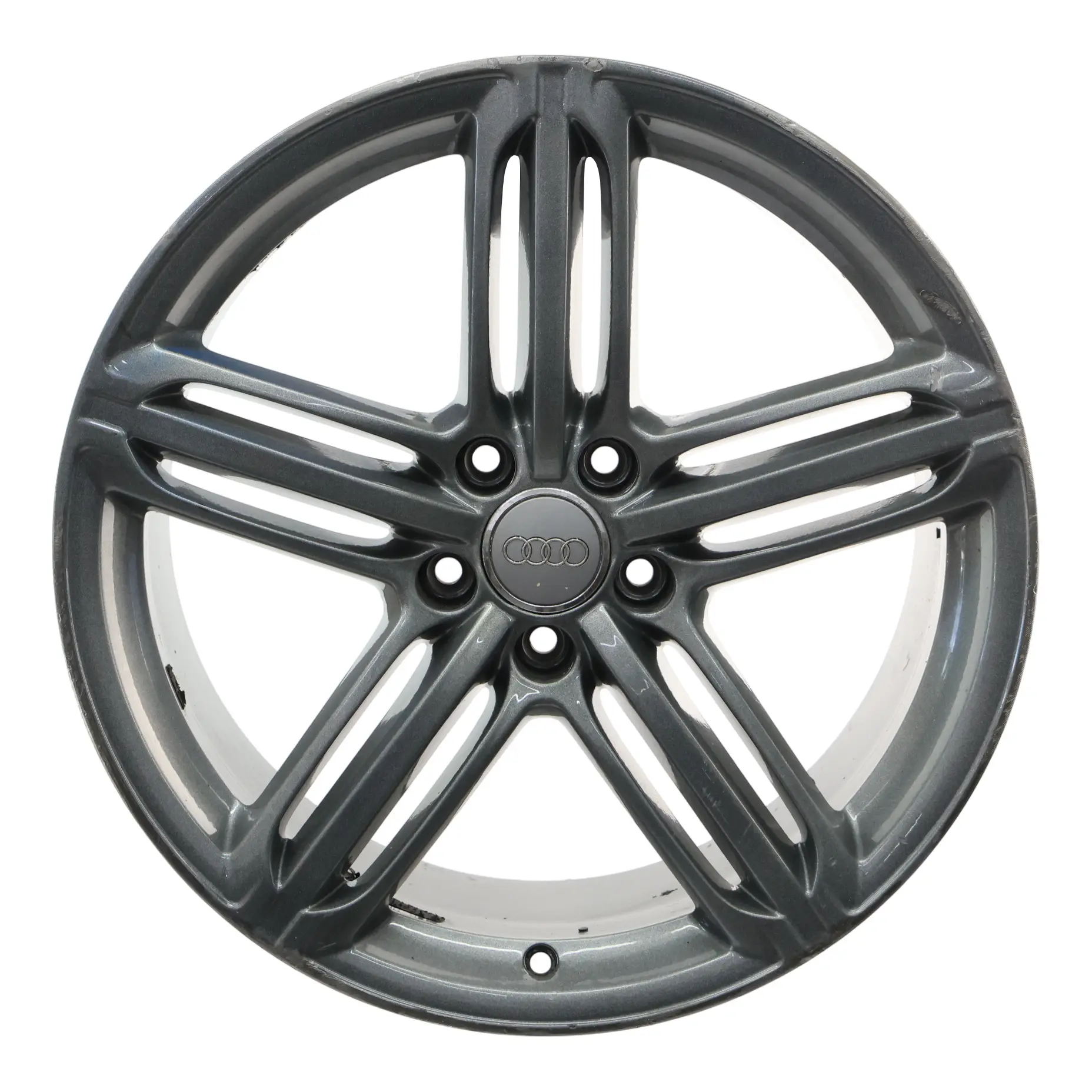
Increasing the power of an Audi RS3 equipped with the legendary five-cylinder engine is a dream for many car enthusiasts. The simplest and most effective step to achieving impressive results on the dyno is to replace a component like the factory Audi RS3 turbocharger with a more efficient equivalent. However, the prices of new tuning components are often prohibitive, so tuners often turn to hybrid solutions or more powerful aftermarket models. A well-proven, used turbocharger It's an excellent base for building a powerful project, provided its condition is rigorously verified before installation. The experts at Global Parts remind us that every professional supercharger swap requires precise planning and attention to details such as lubrication and cooling. In this article, we'll explain how to safely modify a DAZA engine, minimizing the risk of costly breakdowns and maximizing performance.
Contents:
- Audi RS3 engine (2.5 TFSI DAZA) – why is it an ideal base for modifications?
- Used turbocharger – how to check its condition before installing it in the car?
- Replacing the turbocharger in an Audi RS3 – what to watch out for during installation?
- Turbine cooling and lubrication – the foundation of failure-free operation
- How to change the appearance of your car under the hood and outside during a service visit?
- Where can you safely buy a turbine so as not to destroy an expensive engine?

Audi RS3 engine (2.5 TFSI DAZA) – why is it an ideal base for modifications?
The DAZA engine features an aluminum block and forged crankshaft and piston components, making it exceptionally resistant to high boost pressures. The standard specifications are just a foretaste of the possibilities, which, after remapping and hardware, can easily exceed 500 horsepower. Among the lovers of fast driving, the five-cylinder engine of the Audi RS3 It gained legendary status, primarily due to its incredible sound and powerful potential. The use of direct and indirect fuel injection in the DAZA generation (since 2017) eliminated the problem of carbon buildup on the valves. Many people opt for chip tuning, but only changing components like the turbocharger opens the door to extreme performance. The standard BorgWarner supercharger swells relatively quickly in the upper rpm range after installing aggressive software. For this reason, more powerful RS3 8V 2.5 TFSI turbochargers (e.g., from the TTRS model or specially prepared hybrids) are so readily installed by tuning shops. However, it's worth remembering that the drastic increase in pressure also requires modifications to the air cooling system ( intercooler ) and a more efficient fuel pump.
Used turbocharger – how to check its condition before installing it in the car?
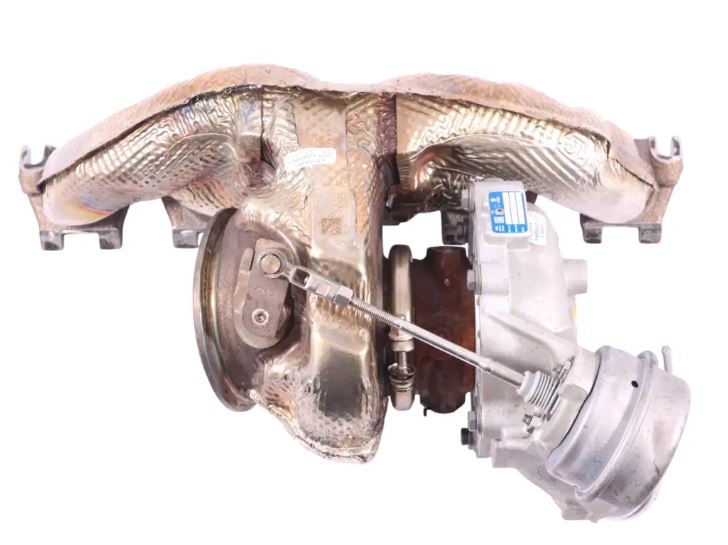
The most important step is to check the compression rotor for axial and lateral clearances, which may indicate wear in the bearings. Always look for traces of oil in the cold shell, which is the first sign of sealing problems. When choosing a cheaper solution, such as a used turbocharger, a mechanic must conduct rigorous bench testing. Besides clearance, a visual inspection of the compressor wheel vanes is essential – they must be free of any nicks or signs of contact with the housing. Even minimal damage to the rotor causes significant imbalance at speeds of around 150,000 rpm, which will quickly destroy the entire unit. A damaged Audi RS3 turbocharger can suck oil into the combustion chamber, often resulting in engine runaway and complete destruction. Before final purchase, it's always recommended to ask the seller for detailed photos of the core (CHRA) and an assessment of the wastegate operation.
Replacing the turbocharger in an Audi RS3 – what to watch out for during installation?
Installing a new or used turbocharger requires absolute cleanliness of the intake system and the use of new gaskets under the exhaust manifold. It is unacceptable to run the engine dry without first flooding the turbine core with fresh engine oil. The Audi RS3 swap process is a job only for a qualified mechanic with the equipment and knowledge. A rigorous VIN/OEM matching process is essential to ensure the new part fits the manifold flange and connects to the factory downpipe (the first component of the exhaust system). Every turbocharger generates extreme temperatures during operation, exceeding 900 degrees Celsius. For this reason, an intact factory turbocharger heat shield is absolutely essential. , protecting delicate wiring harnesses and cables from melting. Fitting a more efficient compressor into the tight chamber of Audi RS series cars often requires modifying the carbon fiber intake, which significantly facilitates the intake of large volumes of cold air. After mechanical assembly, the vehicle must be put on a dyno, where the tuner will precisely tune the computer (ECU) software to accommodate the new boost pressure.
Turbine cooling and lubrication – the foundation of failure-free operation
Ensuring continuous and free oil flow is paramount to ensuring a turbocharger survives more than a few quick Launch Control starts. A clogged oil return line is the most common cause of blue smoke after modifications. When installing a more powerful turbocharger system, the mechanic must carefully inspect the oil line. A clean, factory-profiled turbocharger oil return line is crucial. , which gravity-feeds hot oil to the sump. If a mechanic uses an old, kinked line, the oil will begin to "stagnate" in the turbine core, which will quickly force it through the rotor seals and straight into the exhaust. It's precisely this ignoring of the manufacturer's recommendations to replace all lubrication tubes that quickly causes a new or hybrid supercharger to end its life on the workshop bench. Properly cooling the oil after a hard drive (so-called cool-down) is a habit every driver of a powerful Audi must adopt if they don't want to regularly visit a service center to rebuild their supercharger systems.
How to change the appearance of your car under the hood and outside during a service visit?
When undertaking major mechanical work, tuning enthusiasts often opt for aesthetic enhancements by installing sporty body kits and painting under-hood components. This allows the vehicle to stand out from its stock counterparts and give it an aggressive character. Owners often combine the power upgrade with a visual facelift. The iconic, eye-catching bodywork, the blue Audi RS3, is particularly popular at car shows. (often in the shade Ara Blue). Owners of less powerful A3 or S3 versions, wanting to make their cars look like the top model, often buy the aggressively contoured front bumper of the Audi RS3. with large air intakes. The wide openings in such a bumper not only look great but also serve a key function – they supply massive amounts of air to the enlarged intercooler, which cools the charge for the new compressor. Installation of such components should be supported by catalog analysis and performed according to the VIN/OEM principle, which ensures proper fit with the rest of the fenders and hood without the need for carving and filler at a body shop.
Where can you safely buy a turbine so as not to destroy an expensive engine?
Purchasing used, high-risk components (e.g., superchargers) should only be done through reputable retailers offering a written start-up warranty. Buying such parts "hand-to-hand" without an invoice is asking for very expensive trouble at the repair shop. Savings of several hundred złoty on engine accessories usually pay off doubly during the first serious test on the highway. A professional turbocharger shop thoroughly documents the history of a given part and often includes a printout from a high-speed balancer (VSR), certifying the absence of vibrations in the rotor. This approach is typical of aftermarket leaders, including the experts at Global Parts. A reliable dealer will also be happy to explain the warranty procedure, giving the workshop time to thoroughly install the parts and verify the specified pressure on a dyno. Thanks to these precautions, modifying the 2.5 TFSI engine is easy on the wallet while guaranteeing a significant boost in power and torque.
| Repair/Modification Stage | The most common mistake made by a mechanic or user | Consequences of a failure in the 2.5 TFSI DAZA engine |
|---|---|---|
| Turbocharger Replacement (Core Assembly) | Dry assembly of the system, no pre-filling with engine oil | Rapid seizure of the slide bearings immediately after starting a cold engine |
| Turbine system lubrication main | Kinking the hose during installation or using the old bowl drain hose | The seals are blown out and the car is rapidly emitting blue smoke (oil burning) |
| Wastegate adjustment | Incorrect valve rod tension or no adaptation on the VCDS computer | Overboost damaging the engine block or permanently lacking bottom-end power |
FAQ: QUESTIONS AND ANSWERS ABOUT TURBOCHARGER
| Question | Answer |
|---|---|
| How to safely increase power in Audi RS3 (DAZA)? | Safely increasing power primarily involves chip tuning (changing the ECU software). If you're aiming for power above 500 hp, it's necessary to replace the turbocharger with a hybrid or more powerful one, install a more efficient intercooler, and modify the exhaust system (downpipe) to lower exhaust gas temperatures. |
| What should you pay attention to when buying a used turbocharger for a 2.5 TFSI engine? | First, check the rotor clearances (both longitudinal and transverse). The compressor rotor should be free of any abrasions on the blades. Also, check for any visible, fresh traces of thick oil around the core and in the cold bowl. |
| Why is the turbocharger oil return line so important? | This line allows hot oil to flow freely, by gravity, from the turbine back to the oil pan. If the line becomes kinked or clogged with carbon deposits, the oil pressure inside the turbine will increase, forcing it through the seals and straight into the exhaust. |
| Does installing an RS3 bumper on a regular A3 require any modifications? | Yes, this often requires wider front fenders and different mounting sliders, as the RS3 is significantly widened from the factory. Always check part compatibility using the VIN before purchasing. |
| Is it necessary to replace the heat shield around the turbine in an Audi RS? | Yes, if the old cover is cracked or rusted. The turbocharger becomes red-hot during hard driving (approximately 900-1000 degrees). Without a proper cover, nearby cables, coolant hoses, and plastic cowl panels will rapidly melt. |