


Other Belt Parts
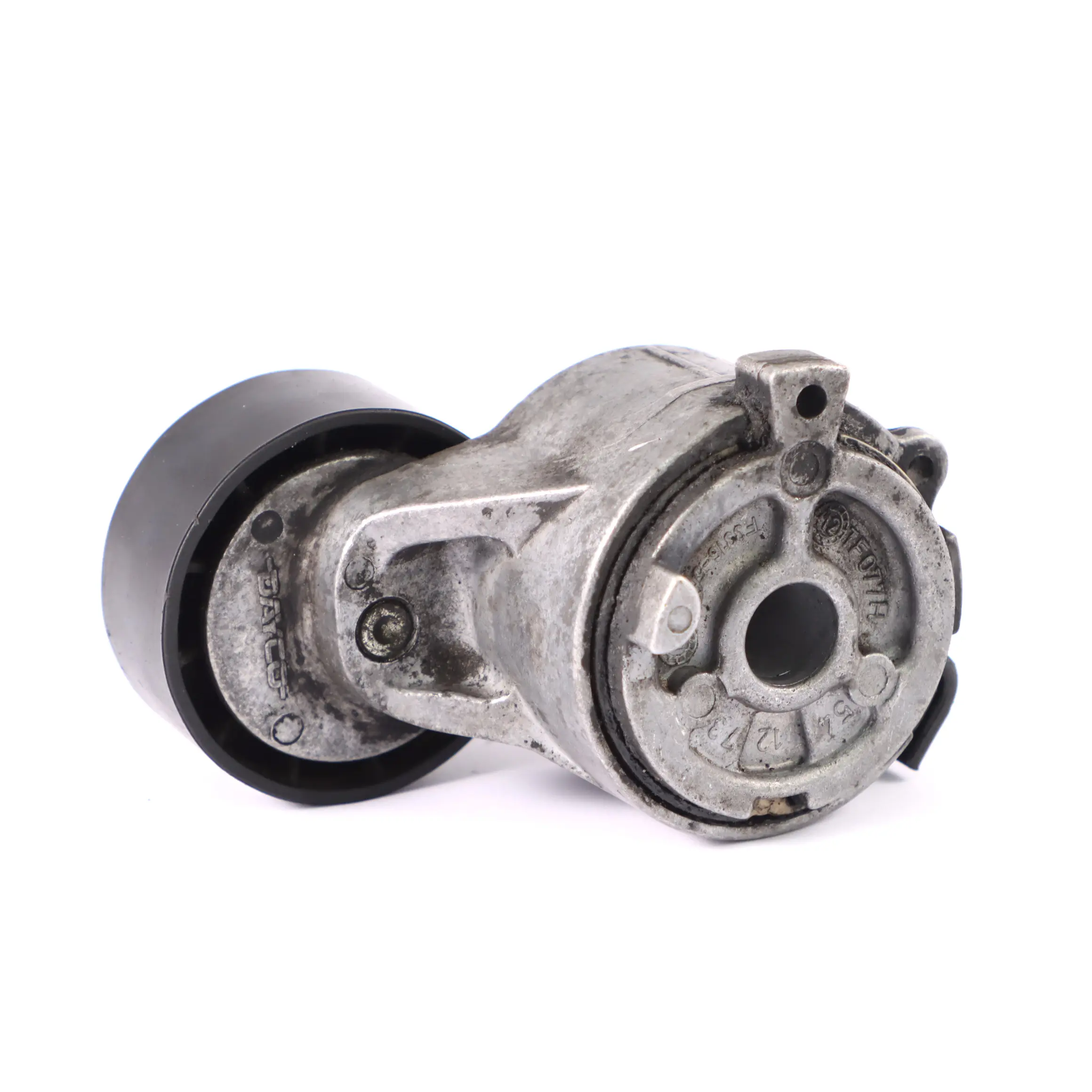
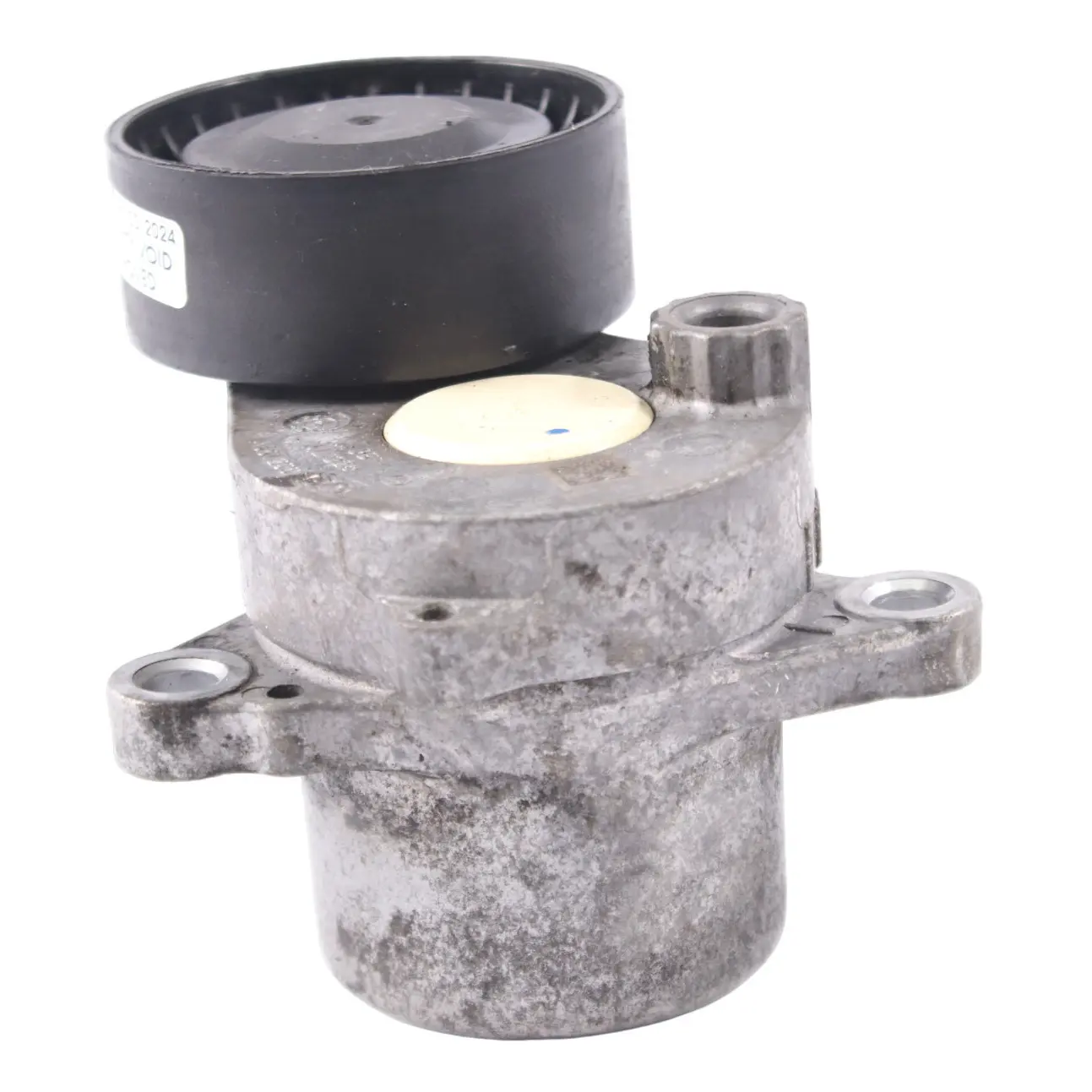
Other Belt Parts
In the Global Parts automotive store, you will find a wide selection of used car parts, compatible with brands such as Peugeot, Mercedes, and others. The "Other" category includes components that work with the accessory drive system and belts, which do not always fit into the main categories but are essential for the proper installation, routing, and operation of the entire system.
Construction and purpose of components in the "Other" category
The "Other" category consists of supplementary parts that support the operation of belts and engine accessory components. This group includes, among others, small mounting elements, covers, guides, brackets, and auxiliary parts related to tensioning and power transmission. Their purpose is to maintain the correct position of components, reduce installation clearances, and ensure compatibility with specific engine versions, equipment, and vehicle mounting points.
Differences between types of auxiliary components
| Component type | Main function | What to check before purchase |
|---|---|---|
| Mounting element | Stabilizes the position of parts and enables proper bolting or seating | OEM number, mounting type, hole diameter, thread, or socket shape |
| Cover or guide | Protects mating parts from dirt and helps maintain the correct operating path | Installation side, component profile, material, and housing compatibility |
| Tensioning-related component | Supports proper tension and alignment of the accessory system | Compatibility with engine version, mounting points, and replacement numbers |
Function and importance of proper fitment
Components from the "Other" category are used to supplement the system, which also includes tensioner and idler pulleys as well as belt pulleys. Even a small auxiliary part can affect the fit of covers, belt routing, accessory positioning, and ease of installation. When choosing an element such as a belt tensioner, it is worth comparing the OEM number, engine version, and mounting layout to avoid structural differences between seemingly similar variants.
Selecting parts by OEM, vehicle version, and mounting location
Selecting parts from this category is best based on the OEM part number, replacement numbers, and vehicle data, such as brand, fuel type, and equipment version. Belt routing refers to how the system maintains the correct path between pulleys and tensioning elements, which is why mounting points and compatibility with specific housings are also important. When completing a repair for a specific model, e.g., mercedes w204, it is good to verify the accessory layout and compare the part with adjacent groups, such as V-belts and ribbed belts or V-belts, ribbed belts and parts.
Practical tips for installation and inspection of components
Installation of auxiliary parts should take into account the condition of contact surfaces, the completeness of bushings, washers, clips, or brackets, and the absence of deformation at the seating point. If you are looking for a component such as a belt pulley, you should check the concentricity, mounting type, and compatibility with adjacent elements, as even a slight deviation can affect belt operation. Additional material regarding the selection of OEM parts and the relationships between components can be found in the article Go-Kart Feeling XXL: used N18 vs B48 turbocharger – which one to choose for Mini Cooper S?.
FAQ
| Question | Answer |
|---|---|
| What is the construction and purpose of components in the "Other" category? | Components in the "Other" category are auxiliary parts related to belt systems and accessory drives that do not always form a separate main catalog group. A typical element may take the form of a bracket, guide, cover, spacer, or mounting part that works with another sub-assembly. These parts are installed in locations where they are responsible for the correct seating, routing, or securing of the system. |
| What are the components in the "Other" category used for? | Components in the "Other" category are used to supplement and stabilize the operation of the engine accessory system. Their role is to maintain the correct position of parts, reduce vibrations, protect against dirt, and support proper installation. Without a correctly selected auxiliary element, even a functional main component may operate with misalignment or improper fitment. |
| What is the construction and function of a belt guide? | A belt guide is a system of mating points and elements that determines the correct path of the belt between pulleys and tensioners. It includes the geometry of the mounts, the positioning of adjacent parts, and the compatibility of covers and brackets. Its function is to maintain stable operation without rubbing, misalignment, or excessive wear of the working surfaces. |
| How to choose a part from the "Other" category for a specific car? | It is best to compare the OEM number, replacement numbers, brand, fuel type, and engine or equipment version. It is also worth checking the mounting location, the shape of the element, the type of mounting, and whether the part works with a cover, tensioner, or pulley. With auxiliary parts, structural differences may be visually subtle but significant for installation. |
| What symptoms indicate wear or mismatch of such an element? | Most often, these include installation clearances, difficulty in properly seating the part, shifting of the belt path, or visible signs of rubbing. In some cases, noise appears after starting the engine or there is uneven alignment of mating elements. Such symptoms should be verified together with the part number and the condition of the mounting points. |
| What technical data should be checked before installation? | Before installation, it is worth checking the OEM part number, replacement numbers, material, type of connector or mounting, and compatibility with the vehicle version. The installation side, the presence of bushings, covers, or spacers may also be important. The more accurate the comparison before purchase, the easier it is to avoid installation problems. |
Summary: "Other" category at the Global Parts automotive store
The "Other" category in the Global Parts offer includes used auxiliary and supplementary parts for belt systems and accessory drives, compatible with many car models. The assortment includes solutions designed for vehicles of brands such as Peugeot, Mercedes, and others, and you can rely on the OEM number, replacement numbers, and vehicle version data when making your choice. We invite you to contact us – we are here to help! For more information and interesting facts, we also invite you to visit our automotive blog.