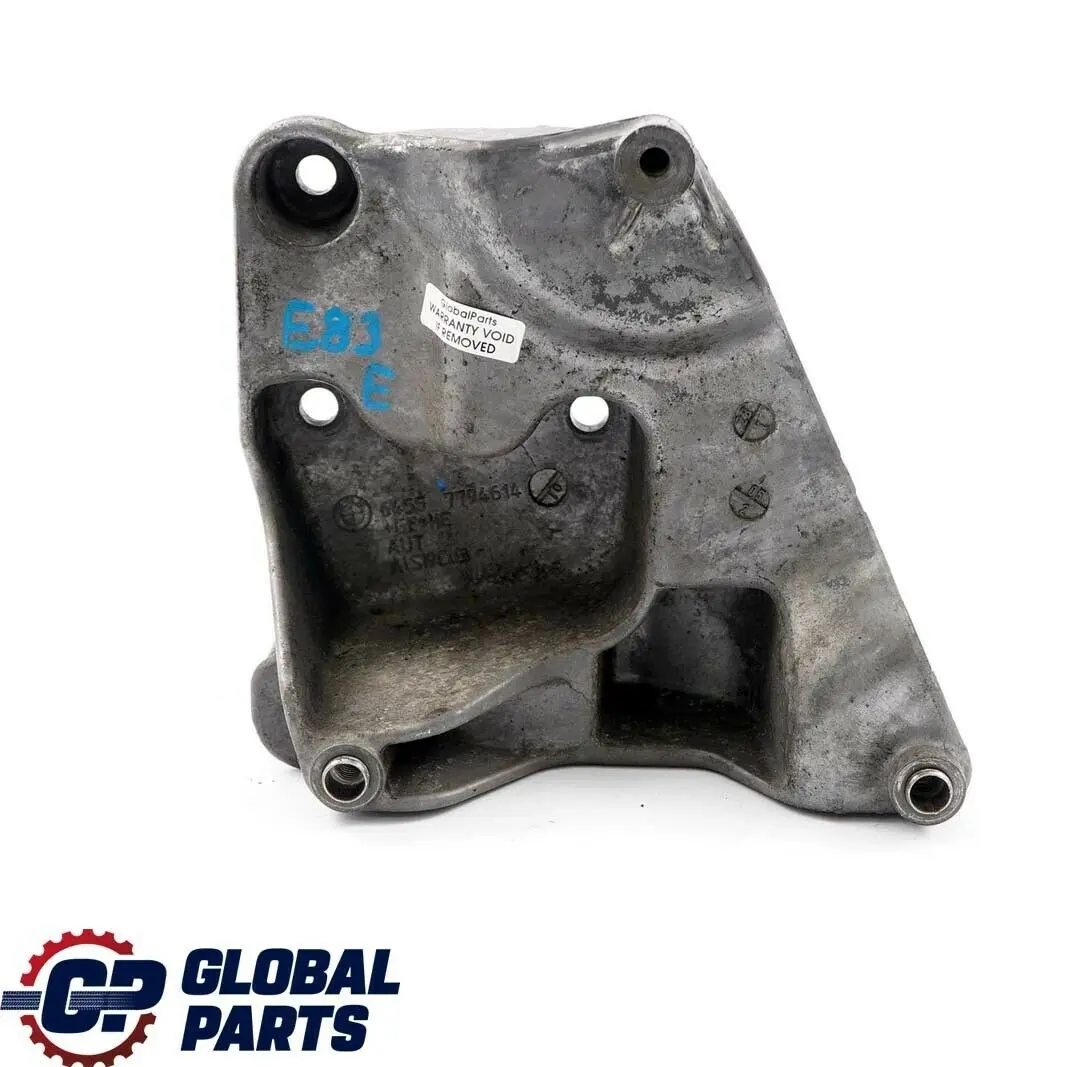
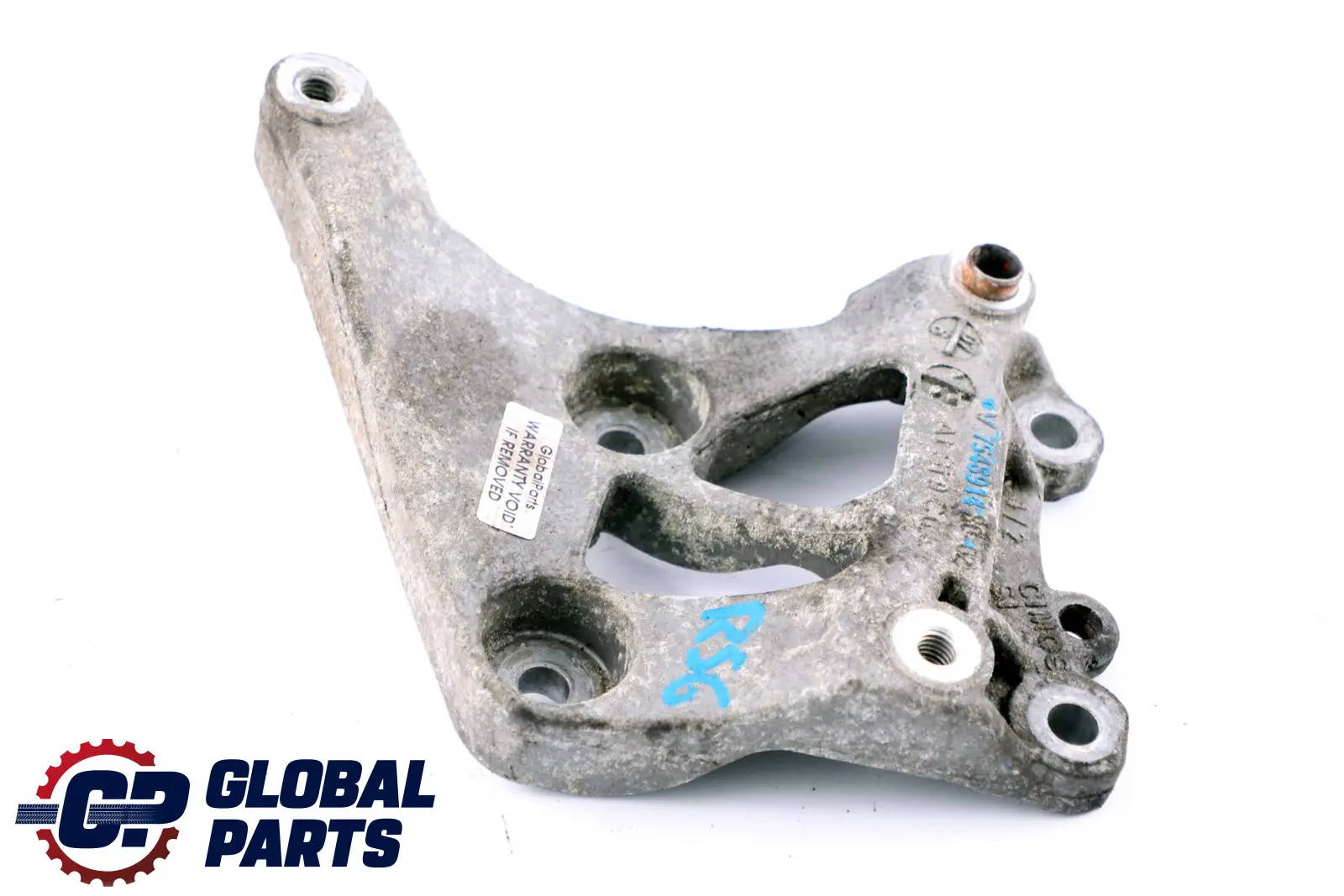
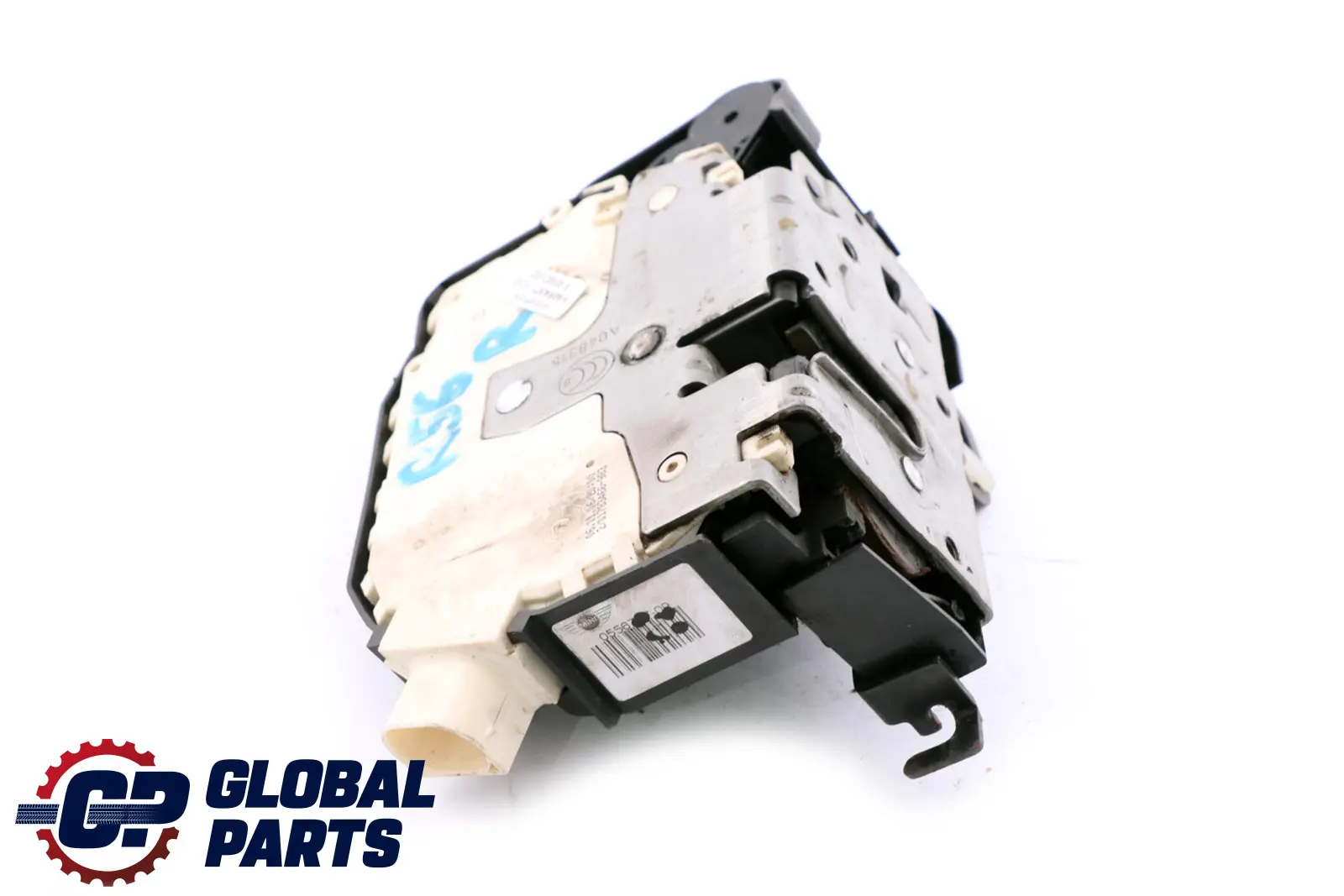
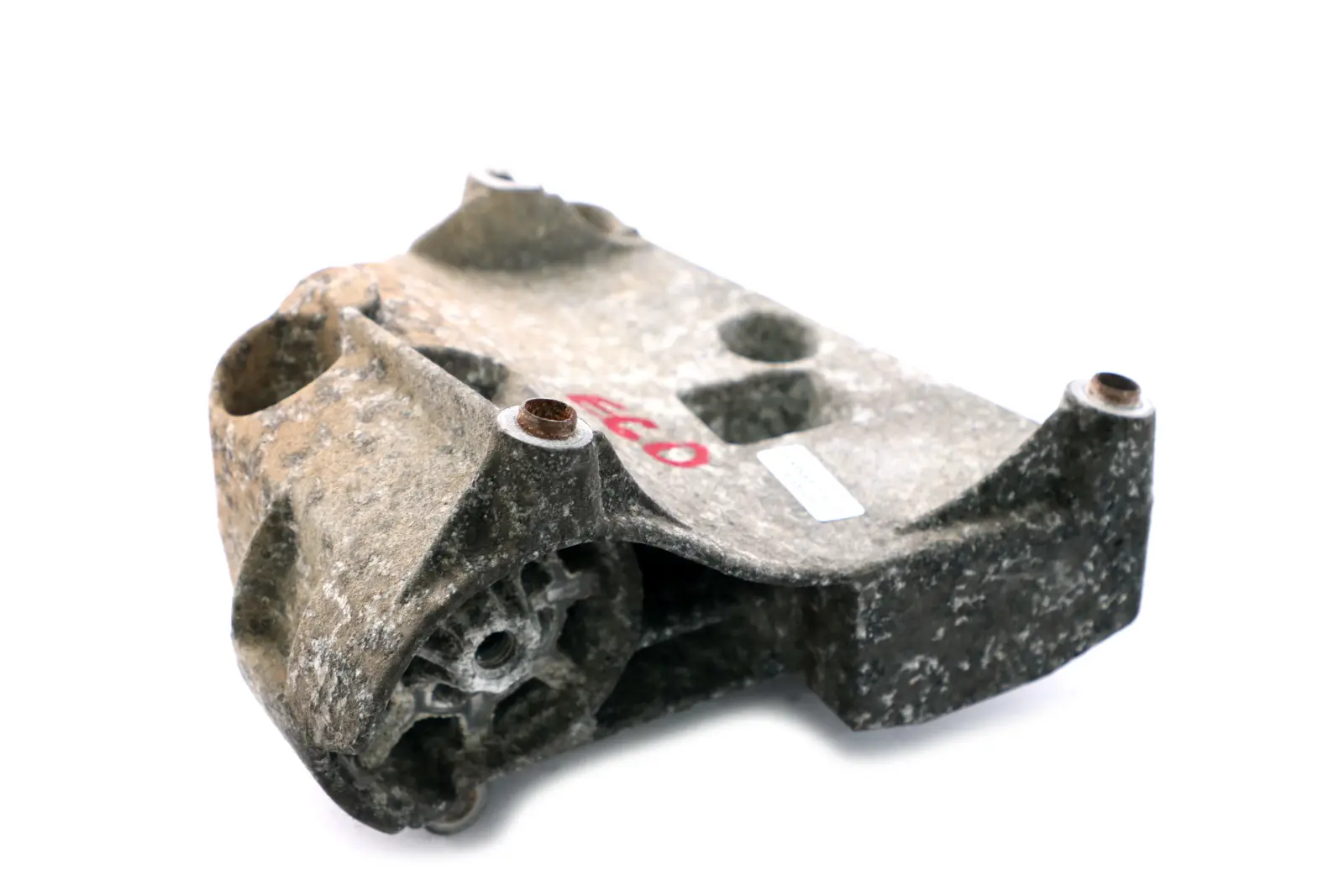
Investing in premium vehicle repairs requires striking a balance between cost and the reliability of key systems. Many people wonder whether it's worth buying used car parts, fearing their durability in harsh road conditions. Choosing OEM-certified components is the best insurance for your car, as they are identical to those installed at the factory. This ensures a perfect fit and the technical parameters designed by the brand's engineers. The Global Parts store offers proven vehicle dismantling for premium parts, allowing for significant savings on car repairs while maintaining the highest available quality. We invite you to read on, which will debunk the most common myths about dismantled parts and demonstrate the clear advantages of original equipment over new aftermarket parts.
OEM parts – importance and safety policy for your vehicle
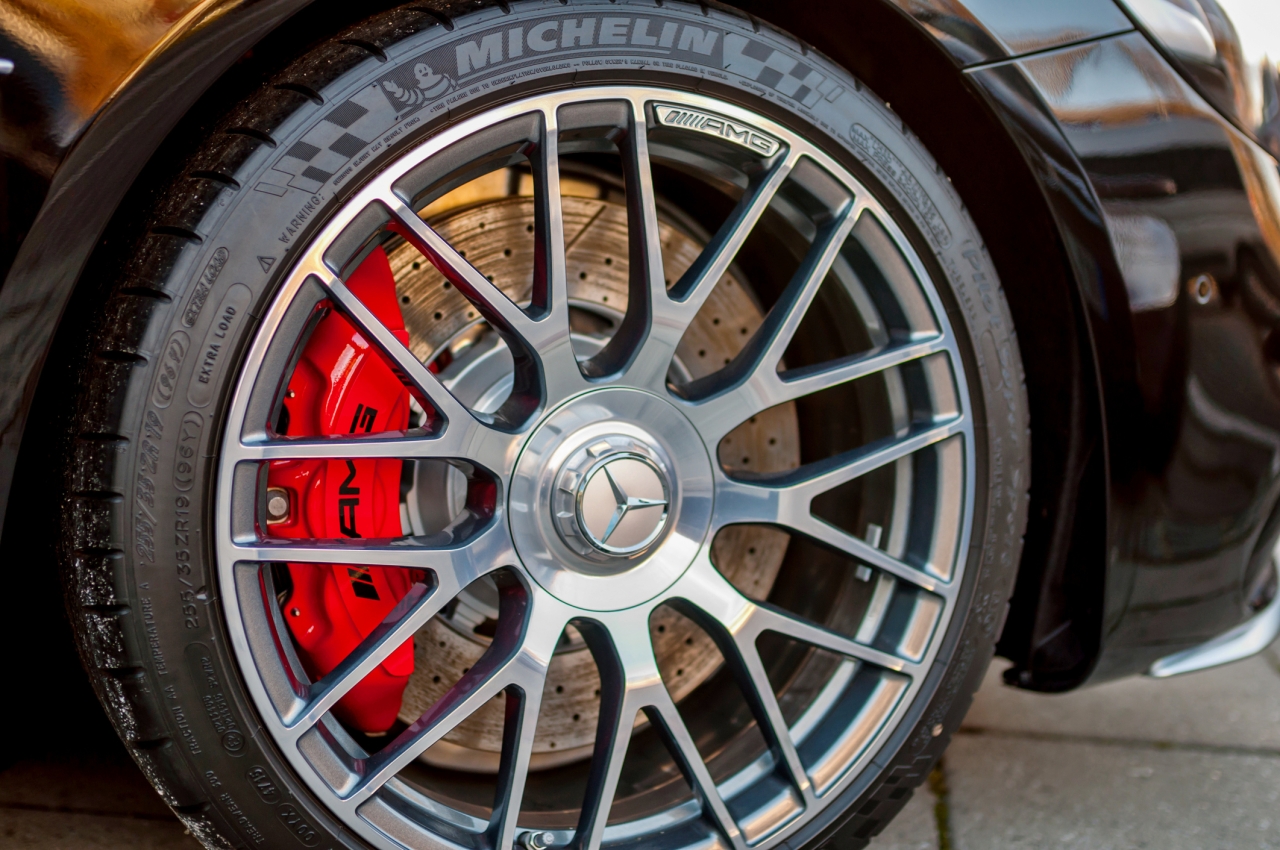
Understanding the fundamentals of parts production allows you to avoid costly mistakes when visiting a mechanic's shop. What is OEM in automotive? This acronym stands for Original Equipment Manufacturer, meaning components manufactured by a supplier for original equipment assembly for a specific vehicle brand. OEM part markings guarantee that a given component, such as steering knuckles or differentials, has passed rigorous durability and crash tests. Unlike universal parts, the quality of car parts used with this symbol is equivalent to new components available at authorized service centers. In this context, a car parts safety policy ensures that systems such as ABS or traction control will work seamlessly with the new module. It's worth choosing Global Parts used OEM parts to preserve the factory DNA of your vehicle for years to come.
Original car parts – quality advantage over new replacements
An original is not only about the prestigious logo on the box, but above all, precision craftsmanship and optimally selected metal alloys. The durability of original parts vs. aftermarket parts is particularly evident in complex drivetrains, such as the B58 or N52 inline-four engines. Original components are designed for specific thermal and mechanical loads, which directly impacts the lifespan of OEM parts in everyday use. Used Mercedes OEM parts ensure quiet drivetrain operation, while cheaper aftermarket differentials can generate unpleasant vibrations and leaks. Similarly, a recycled BMW F20 steering wheel retains the factory leather texture and a secure grip rarely matched by non-original tuning accessories. A professional automotive shop offering original components helps maintain a high vehicle resale value.
Myths about disassembled parts – why you shouldn't be afraid of them?
Recycled parts often evoke a false fear of unexpected failure immediately after leaving the workshop. A major myth circulating among drivers is the belief that every disassembled part is excessively worn and dangerous to passengers. In reality, certified used parts often come from cars with very low mileage, where their wear and tear is practically nonexistent. Another prejudice is the inability to verify the product's origin, but original BMW parts disassembled at professional dealerships are precisely cataloged and inspected. The safety of recycled parts is guaranteed by the fact that they are not counterfeits made of inferior composites that break at the most unexpected moments. Audi OEM parts at the Global Parts store verify mechanical integrity before releasing each component to regular sale. Genuine quality at a lower price is a fact confirmed by thousands of satisfied owners of premium brand cars.
Dismantled parts with warranty - customer service standards
Buying used components doesn't have to be a gamble if you choose a reliable and proven supplier. Professional, used original parts are always offered with a start-up warranty, completely eliminating the risk of purchasing a faulty component. This solution allows the mechanic to install a part, such as a rear electronic module, and test its operation in the CAN bus system. Original Mercedes, BMW, Audi, Mini, VW, Porsche, Seat, and Skoda parts undergo rigorous selection before reaching Global Parts' warehouse. Customers can expect, for example, that an Audi A3 8p armrest will be clean and fully functional in all adjustment ranges. Transparency in the description of technical condition is the foundation for building trust in the used OEM parts segment for German cars.
Original quality at a lower price – comparison with new substitutes
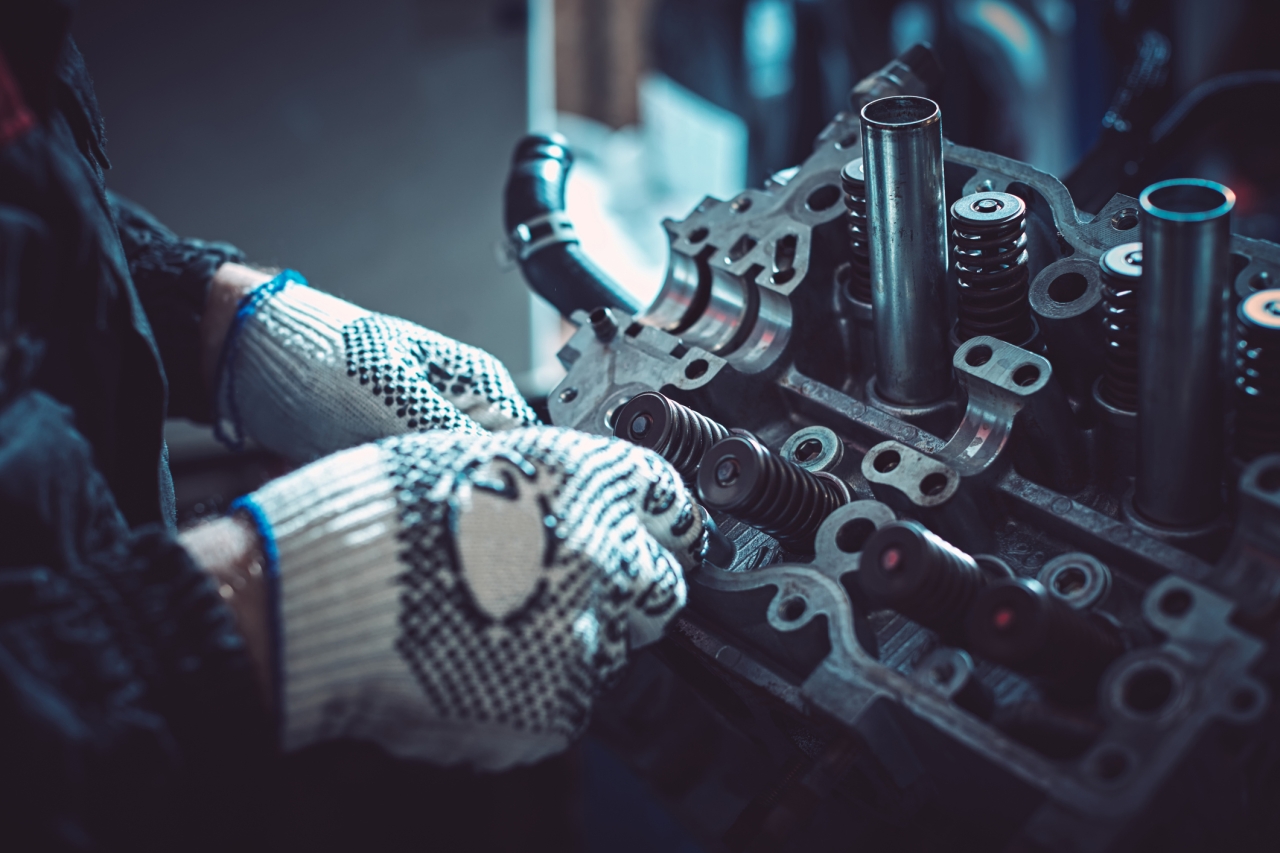
Comparing repair costs using different parts classes reveals a clear economic and technical advantage in terms of recovery. The differences between OEM and aftermarket parts are most dramatic in the case of bodywork components and advanced LED lighting. A new, inexpensive VW Golf 6 grille often doesn't perfectly align with the factory mounting holes, necessitating risky modifications to the front fascia. Used original car parts ensure that the body lines remain intact and the gaps between components are perfectly even. In the case of electronics, such as the RNS 310 navigation unit, only original parts allow for full integration with the multifunction steering wheel and on-board computer display. New aftermarket parts often require additional adapters or don't support the vehicle's factory comfort features at all. Selecting by VIN/OEM from a trusted supplier helps avoid mistakes while reducing service costs.
Sporty elements and styling packages – gain a unique character
Visual and mechanical tuning enthusiasts particularly appreciate the easy availability of used, high-end package parts. Finding factory parts, such as a sporty BMW with the M Package, in a dealership often comes with prices that exceed the market value of the modification. Recycled parts allow you to retrofit your car with the E91 M Package while maintaining full material integrity with the original. It's worth looking for components for a sporty BMW Z4, where the steering knuckles and differentials are designed for significantly higher lateral loads. By purchasing used differentials with a specific gear ratio, you can easily improve your car's dynamics without interfering with the engine's software. Even with questions like " 35 tfsi what engine is this?", Global Parts specialists can help you select the right accessories from a disassembly.
Comparison of car parts quality standards
| Parameter | OEM Parts (Used) | New Replacements |
|---|---|---|
| Vehicle fit | Perfect (Factory) | Often requires modification |
| Durability and materials | Very high | Varied (often low) |
| Purchase price | Attractive (50-70% lower) | Mean |
| Assembly safety | Guaranteed by the manufacturer | No full crash tests |
| Integration with electronics | Full (Plug & Play) | Possible communication errors |
FAQ – Frequently asked questions about OEM parts and disassembly
| Question | Answer |
|---|---|
| What is OEM in automotive? | These are parts manufactured on behalf of the car manufacturer, identical to those installed at the factory. |
| Is it worth buying parts from dismantling? | Yes, this is the best way to obtain original quality while keeping repair costs low. |
| How to recognize original car parts? | By the car manufacturer's logo, serial number and specific markings (e.g. engravings on metal). |
| Are the parts used safe? | Yes, provided you purchase them from a professional shop that verifies their technical condition. |
| What does selecting by VIN/OEM mean? | This verifies part compatibility based on your car's unique chassis number. |
| Why are OEM parts better than aftermarket parts? | Because they are made of better alloys and guarantee the correct operation of all safety systems. |