


Bumpers
-5%
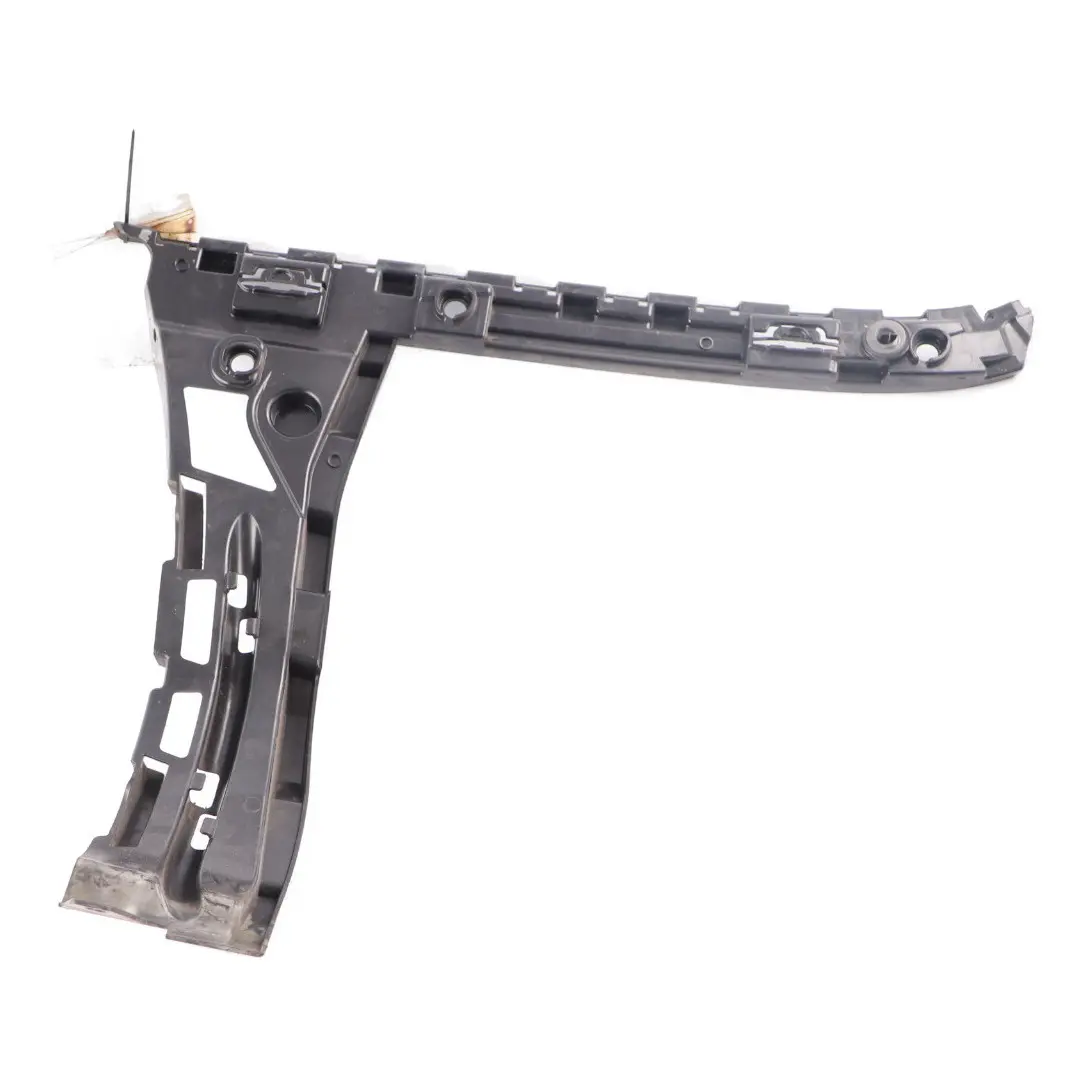
Part no. A2058802102
Bumper Mount Mercedes S205 Rear Bumper Right O/S Lateral Support A2058802102
Promo price
€23.95
€22.75
Free delivery: Aug 6 – 7
If paid before 14:00
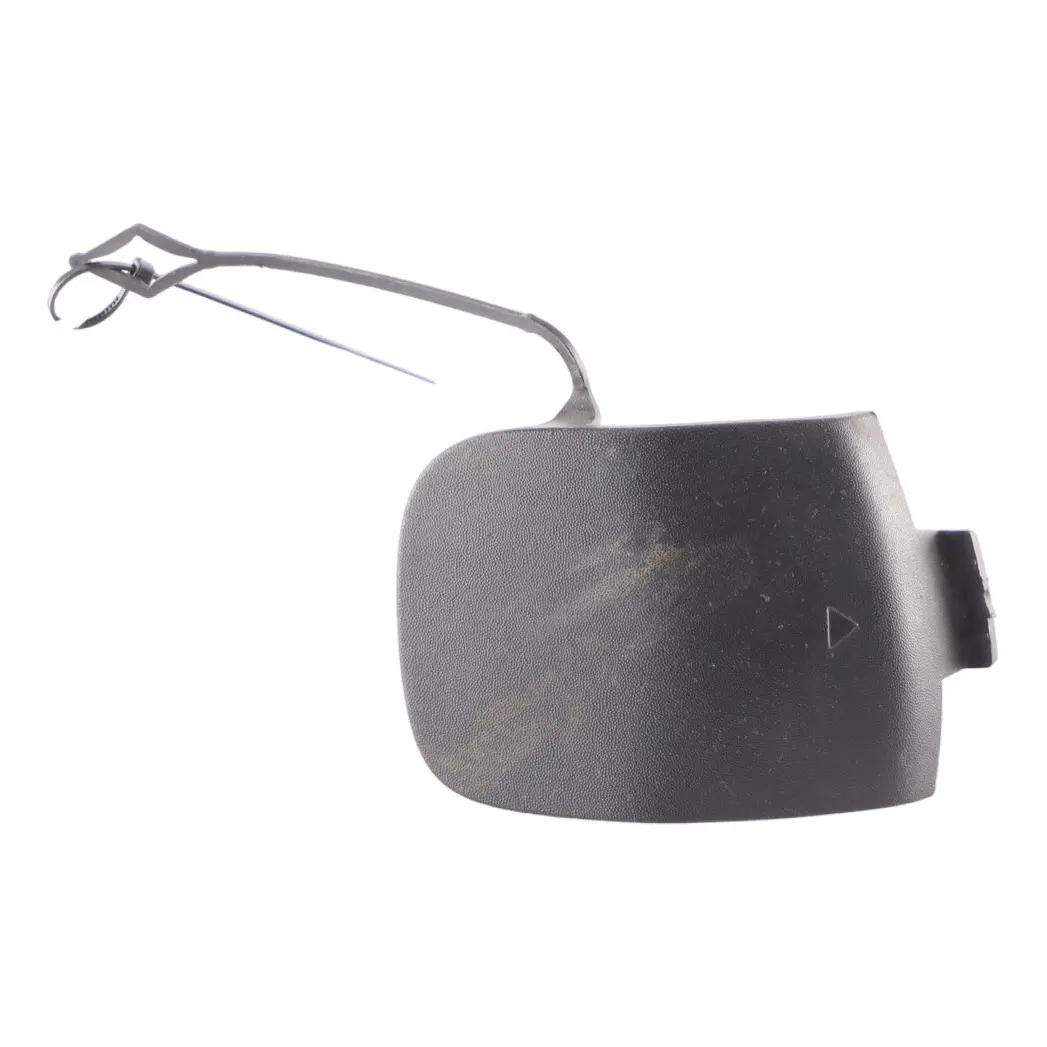
Part no. 7302479
Front Towing Eye Mini F55 F56 Cover Trim 7302479
Product currently unavailable
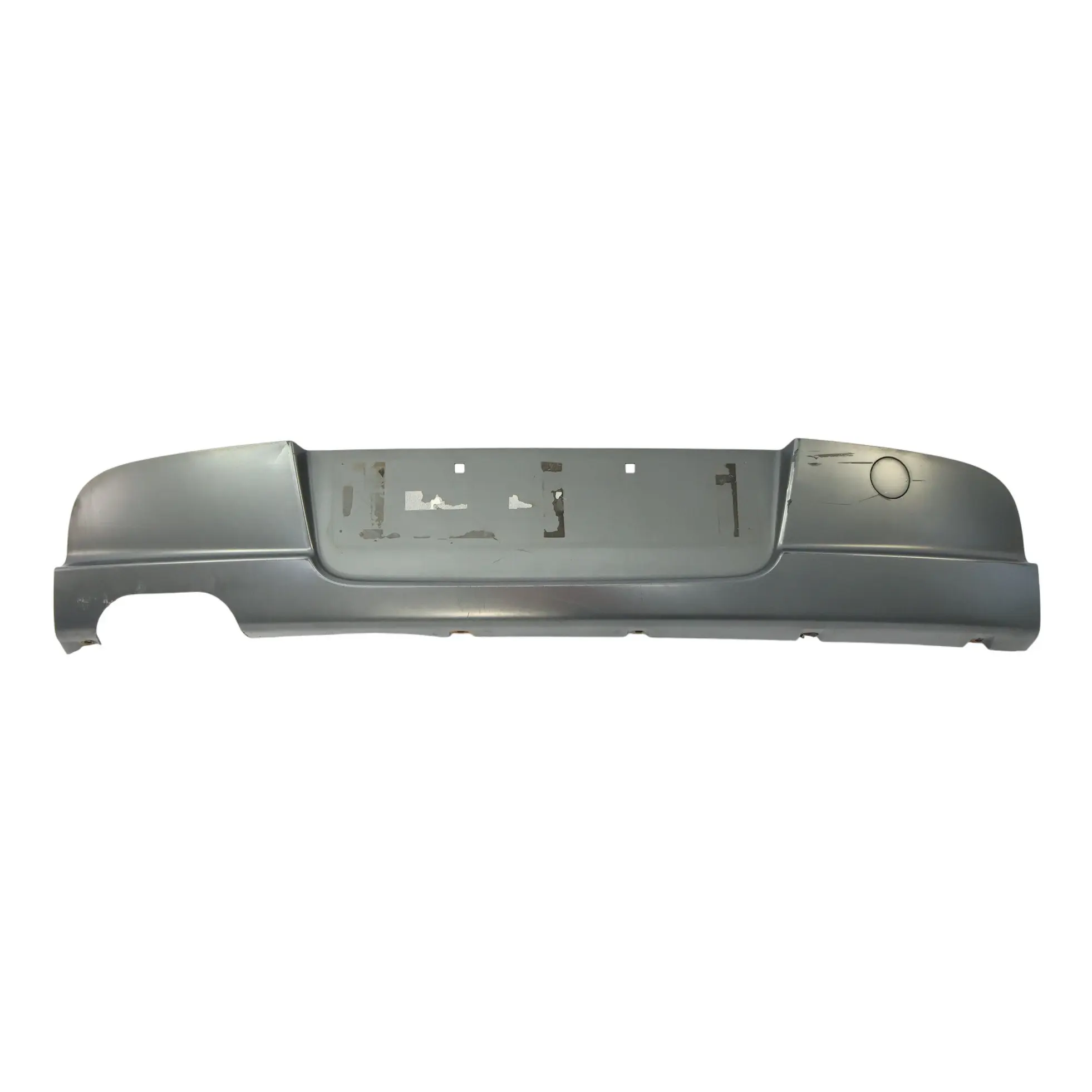
Part no. 7906813-1
BMW E81 E87 LCI M Sport Rear Bumper Bottom Trim Panel Diffuser Cover 7906813
Product currently unavailable
Bumpers
In the Global Parts automotive store you will find a wide selection of used car parts, compatible with brands such as Mercedes, Mini, BMW, and others. Bumpers are essential body components, so their proper fit is important not only for the vehicle's appearance but also for alignment with fenders, lights, covers, and mounting points.
Construction and purpose of bumpers
Bumpers are external body components mounted at the front or rear of a vehicle. A bumper is used to protect the corner zones of the body, manage airflow, and correctly mount additional elements such as grilles, moldings, caps, or parking sensor housings. A typical set includes the cover, mounting points, slider locations, and openings depending on the equipment version. For parts such as a BMW E90 rear bumper, it is particularly important to compare the OEM number, body version, and the presence of openings for accessories.
Comparison of bumper variants
| Variant | Vehicle placement | Compatible components | What to check before purchase |
|---|---|---|---|
| Front bumper | Front of the vehicle | Grilles, sliders, wheel arches, headlights, lower covers | OEM number, pre-facelift/facelift version, mounting points, preparation for sensors and washers |
| Rear bumper | Rear of the vehicle | Moldings, sliders, wheel arches, diffuser or lower insert | OEM part number, body version, cutouts for accessories, and compatibility with the beam and sliders |
| Bumper with equipment openings | Front or rear, depending on the model | Sensors, caps, grilles, mounting brackets | Opening layout, accessory type, condition of mounts, and compatibility with vehicle equipment |
Protective function and compatible components
Bumpers are used to protect external body parts and to maintain proper alignment of elements around the front and rear fascia. Their role is not limited to appearance alone, as they also work with mounts, sliders, and covers that stabilize the position of the part after installation. A bumper reinforcement is a component mounted under the cover that transfers loads and works with other parts from the Bodywork and exterior department. When completing a repair for a specific model, e.g., BMW E90, it is also worth checking compatibility with adjacent elements, such as wheel arches or bumper protective moldings.
Selecting a bumper by OEM, version, and mounting points
When choosing a bumper, it is worth comparing the OEM part number, interchangeable numbers, vehicle placement, and body version. Structural details are also significant, such as the number and layout of clips, the presence of spots for grilles, moldings, caps, or preparation for additional equipment. When selecting parts for a version such as the Mini Cooper R56, it is good to verify compatibility with pre-facelift or facelift models and the condition of sliders and mounts. A useful addition during purchase is also our step-by-step guide, which provides tips on how to safely compare parts by VIN and OEM number.
Installation and condition assessment before mounting
Bumper installation requires checking for cracks at mounting points, deformations on the edges, and missing brackets for additional elements. A bumper slider is a guide that sets the position of the cover relative to the fender or body and affects the final fit of the part after tightening. Before installation, it is worth comparing the color, surface structure, mounting location, and compatibility with adjacent elements, such as radiator grilles or hood covers and protective parts. This makes it easier to assess whether the selected element matches the specific vehicle version.
FAQ
| Question | Answer |
|---|---|
| What is the construction and purpose of bumpers? | Bumpers are body components mounted at the front or rear of a vehicle. They consist of an outer cover, mounting points, and spots for additional elements such as grilles, moldings, caps, or sensors. Their task is to protect the body edges and maintain proper alignment with other body parts. |
| What are bumpers used for? | Bumpers are used to protect external vehicle zones and to mount accessories depending on the car version. They also serve a structural function, as they influence the positioning of adjacent elements and the aesthetics of the front or rear of the car. Without a properly selected bumper, it is harder to achieve correct body lines and mounting compatibility. |
| What is the construction and function of a bumper reinforcement? | A bumper reinforcement is a component mounted under the outer cover. It is used to transfer loads and works with the beam, absorber, and mounting points depending on the vehicle construction. Its compatibility affects not only the installation of the bumper itself but also the position of covers, sliders, and adjacent parts. |
| How to choose a bumper for a specific car version? | It is best to compare the OEM number, interchangeable numbers, side and mounting location, and body version. You must also check whether the part is intended for a pre-facelift or facelift version and whether it has the appropriate openings for additional equipment. In practice, the condition of the brackets and compatibility with sliders are also important. |
| What symptoms indicate a bumper mismatch? | Typical symptoms include uneven gaps near fenders, lights, or the trunk lid, difficulty in seating the part, and tension at mounting points. A lack of compatibility with openings for grilles, moldings, or accessories can also be a problem. Such signs usually mean you need to re-compare the OEM and equipment version. |
| What to check before mounting a bumper? | Before mounting, it is worth assessing the condition of mounts, edges, sliders, and spots for additional elements. You should compare the vehicle placement, compatibility with equipment, and the surface condition of the part. A good practice is also a dry fit before final tightening of the elements. |
Summary: bumpers at the Global Parts automotive store
The Global Parts offer includes bumpers and related used parts for many car brands, including Mercedes, Mini, BMW, and others. When selecting, it is worth checking the OEM number, interchangeable numbers, vehicle placement, body version, and the condition of mounting points so that the part is compatible with the equipment and adjacent body elements. We invite you to contact us – we are here to help! For more information and interesting facts, we also invite you to visit our automotive blog.