


Instrument Cables
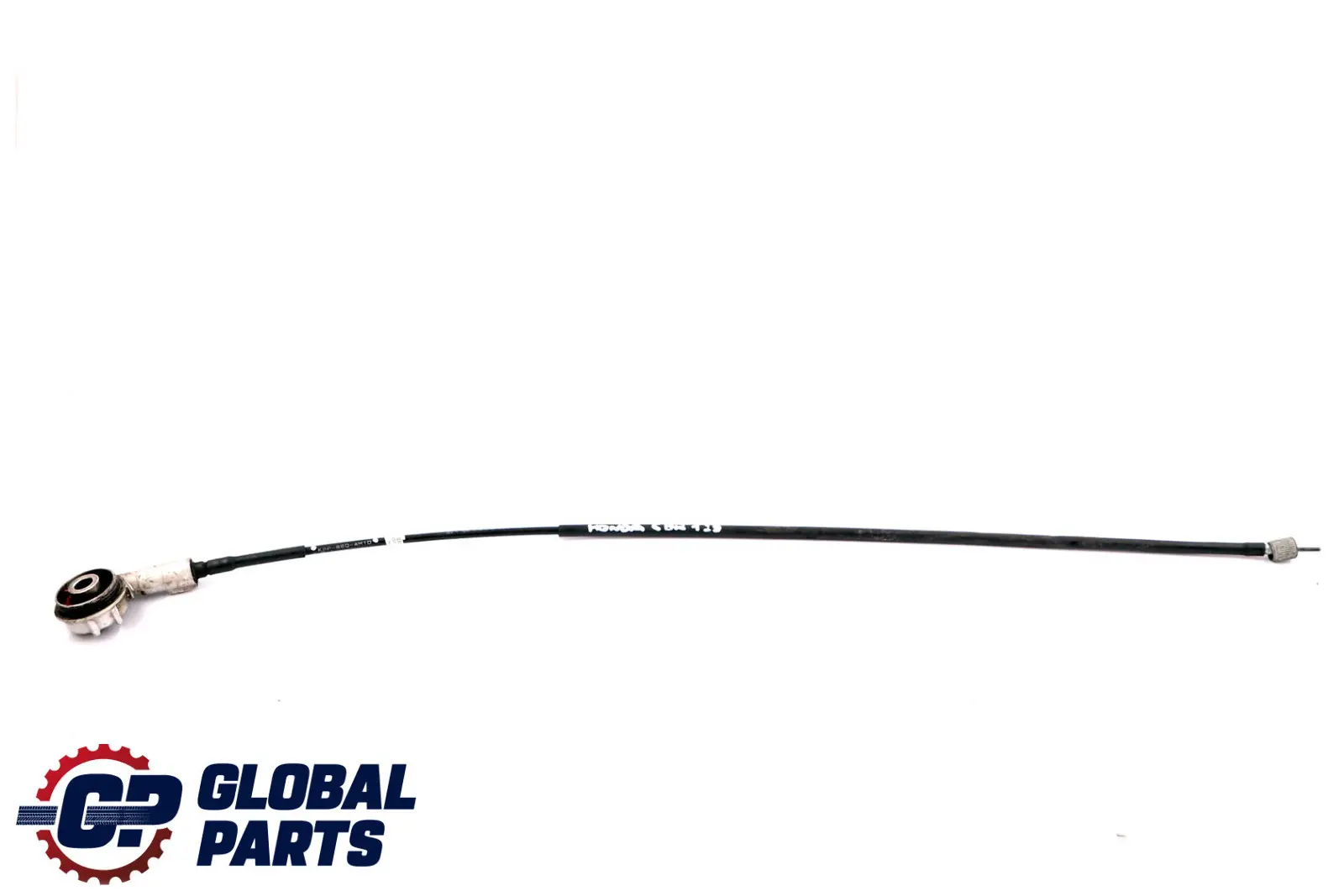
Instrument Cables
In the Global Parts automotive store, you will find a wide selection of used car parts, compatible with brands such as BMW, Audi, Volkswagen, and others. The wiring, harnesses, and connectors category includes electrical system components responsible for connecting sub-assemblies, transmitting signals, and providing stable power to vehicle receivers.
Construction and purpose of wires, harnesses, and connectors
Wires, harnesses, and connectors are parts of a car's electrical system that connect gauges, modules, switches, sensors, and dashboard components. A typical harness consists of wires with a specific cross-section, sleeves, insulation, pins, and plugs matched to a specific socket. A connector is the final connection element responsible for proper contact and compatibility with a given device. In this category, the vehicle location, number of pins, wire layout, and OEM number compatibility are particularly important.
Comparison of installation elements in this category
| Element type | Main function | What to check before purchase | Cooperating elements |
|---|---|---|---|
| Single wire | Power or signal transmission between two points | Cross-section, length, terminal type, insulation condition | Fuses, sensors, switches |
| Wiring harness | Connecting multiple circuits in one installation run | OEM number, routing path, number of branches, equipment version | Modules, instrument clusters, control panel |
| Connector or plug | Ensuring secure electrical and mechanical contact | Number of pins, housing shape, latch, contact layout | Sockets, pins, module housings |
Installation function and the importance of proper connection
Wires, harnesses, and connectors are used to transmit voltage, ground, and control signals between car components. Their task is to maintain circuit continuity and proper communication between equipment elements, especially where gauges, clocks, and indicators are operating. An incorrectly selected connector can cause lack of readings, intermittent operation, or communication errors. Therefore, when selecting, it is worth comparing not only the appearance of the part but also the OEM number, pin layout, and mounting location.
Selecting parts according to vehicle version and equipment
When looking for parts for a specific model, for example, Audi A4 B8, it is worth checking the body version, dashboard equipment, and the type of connected module. When choosing an element such as an instrument cluster harness, you should compare the OEM part number, the number of plugs, and compatibility with the mounting point. When completing a repair for a specific model, e.g., BMW E90, it is also good to verify interchangeable numbers and whether the installation works with instrument clusters or parts for instruments and gauges. In practice, this makes it easier to match the element without guesswork and without unnecessary installation modifications.
Characteristics of an electrical connector and symptoms of mismatch
An electrical connector is a housing with pins or contacts that allows for quick and repeatable connection of two parts of the installation. The connector is used to maintain stable contact and proper wire routing at the mounting point, which is why the shape, latch, and contact arrangement matter. If you are looking for a component such as an instrument cluster connector, you should check the housing compatibility, lock type, and signs of repair from previous installation. Diagnostics can be supplemented by information from the article on the evolution of Volkswagen engines and repair costs, as electrical problems often accompany broader service work on accessories and the vehicle interior.
FAQ
| Question | Answer |
|---|---|
| What is the construction and purpose of wires, harnesses, and connectors? | Wires, harnesses, and connectors are components of a car's electrical system responsible for transmitting voltage and signals between sub-assemblies. A typical set consists of conductive cores, insulation, sleeves, pins, and plug housings matched to a specific socket. These parts are found in the dashboard, engine compartment, doors, center console, and other areas of the vehicle. Their construction depends on the circuit function and vehicle equipment. |
| What are wires, harnesses, and connectors used for? | Wires, harnesses, and connectors are used to connect receivers, sensors, controllers, and measuring instruments into one efficiently operating system. They are responsible for power supply, signal transmission, and communication between modules. Without a proper connection, there may be interruptions in the operation of gauges, backlighting, or the control of selected functions. A properly selected element also contributes to the orderly routing of the installation and correct assembly of accessories. |
| What is the construction and function of an electrical connector? | An electrical connector is a part of the installation that allows for connecting wires to a device or another section of the harness. It usually consists of a housing, contacts, a latch, and pin guides, and its construction must match a specific socket. In addition to conducting current and signals, the connector stabilizes the mechanical connection and facilitates service disassembly. In practice, the number of pins, contact layout, and type of anti-slip protection are important. |
| How to select wires, harnesses, and connectors for a specific car? | It is best to compare the OEM number, interchangeable numbers, vehicle location, and equipment version. It is also useful to check the plug shape, number of pins, and harness routing relative to mounting points. If the element works with individual dashboard instruments, it is worth verifying compatibility with the specific device. |
| What symptoms may indicate a problem with a wire, harness, or connector? | Typical symptoms include interruptions in gauge operation, lack of backlighting, unstable readings, or temporary loss of communication with a module. Sometimes, damage to insulation, signs of contact overheating, or a loose latch in the plug are also visible. During diagnostics, it is also worth checking the cooperation with instrument power supply wires if the given system uses a separate power circuit. |
| What parameters should be considered before installing parts from this category? | Before installation, compare the OEM part number, connector type, number of pins, mounting side, and wire routing relative to factory brackets. The condition of the insulation, completeness of the housing, and compatibility with the body version and equipment are also important. This makes it easier to avoid wire tension, contact looseness, and problems with fitting covers or panels. |
Summary: wires, harnesses, and connectors at the Global Parts automotive store
Wires, harnesses, and connectors are responsible for the proper connection of electrical system components and the stable operation of car instruments and equipment. The Global Parts offer includes used parts for many brands, including BMW, Audi, Volkswagen, and others, and when choosing, it is worth comparing the OEM number, interchangeable numbers, mounting location, and compatibility with the vehicle version. Feel free to contact us – we are here to help! For more information and interesting facts, we also invite you to visit our automotive blog.